
Residential Metal Roofing for Charleston Homes
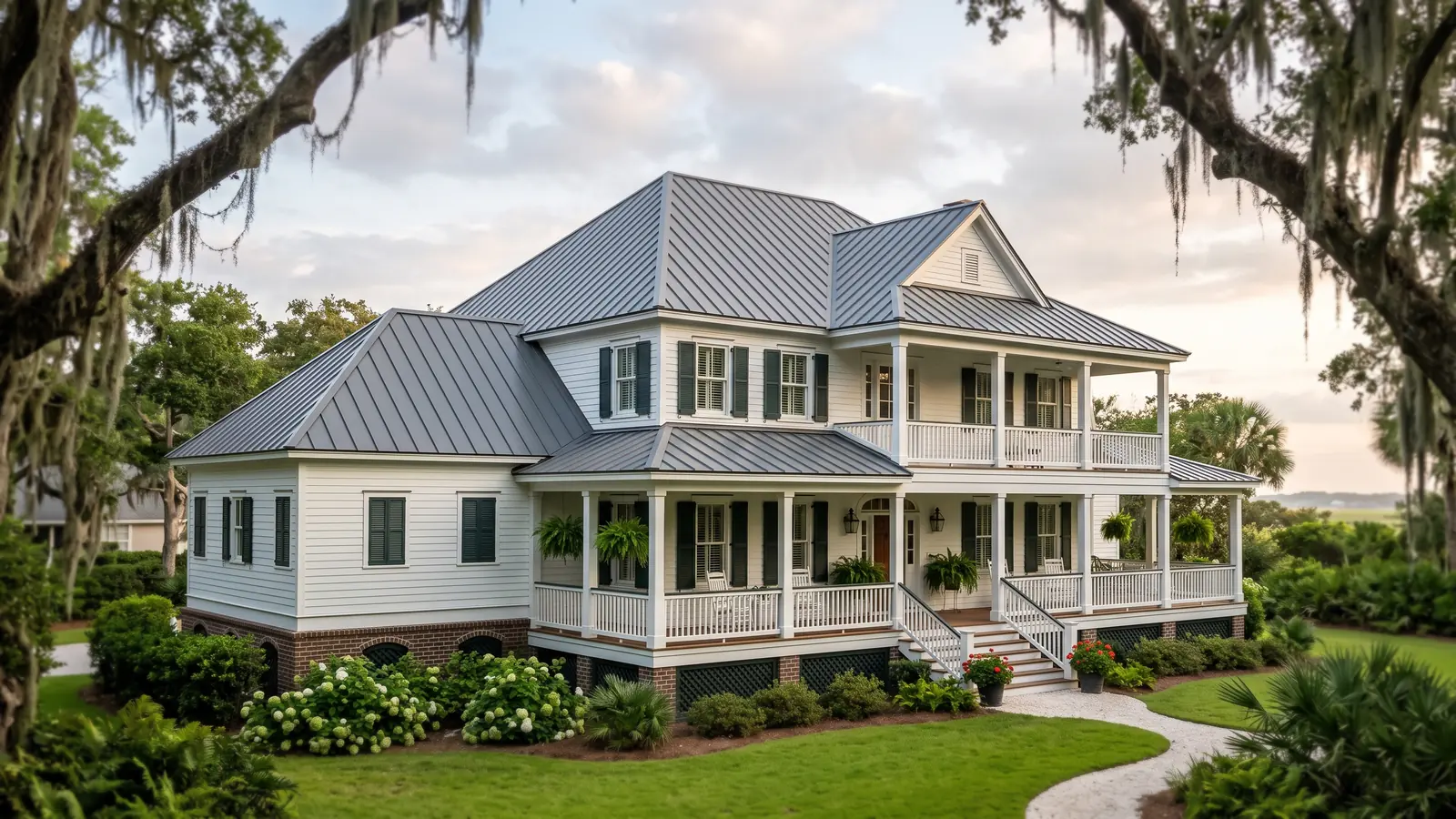
A metal roof on a Charleston house is several decisions stacked together: which metal, which seam, which finish, which fasteners. The city sits on salt water and marsh, takes heavy summer rain and designs for hurricane winds, so the defaults that work in an inland suburb don't always hold here. These are the residential jobs we take requests for, biggest first.
Standing Seam Metal Roofs
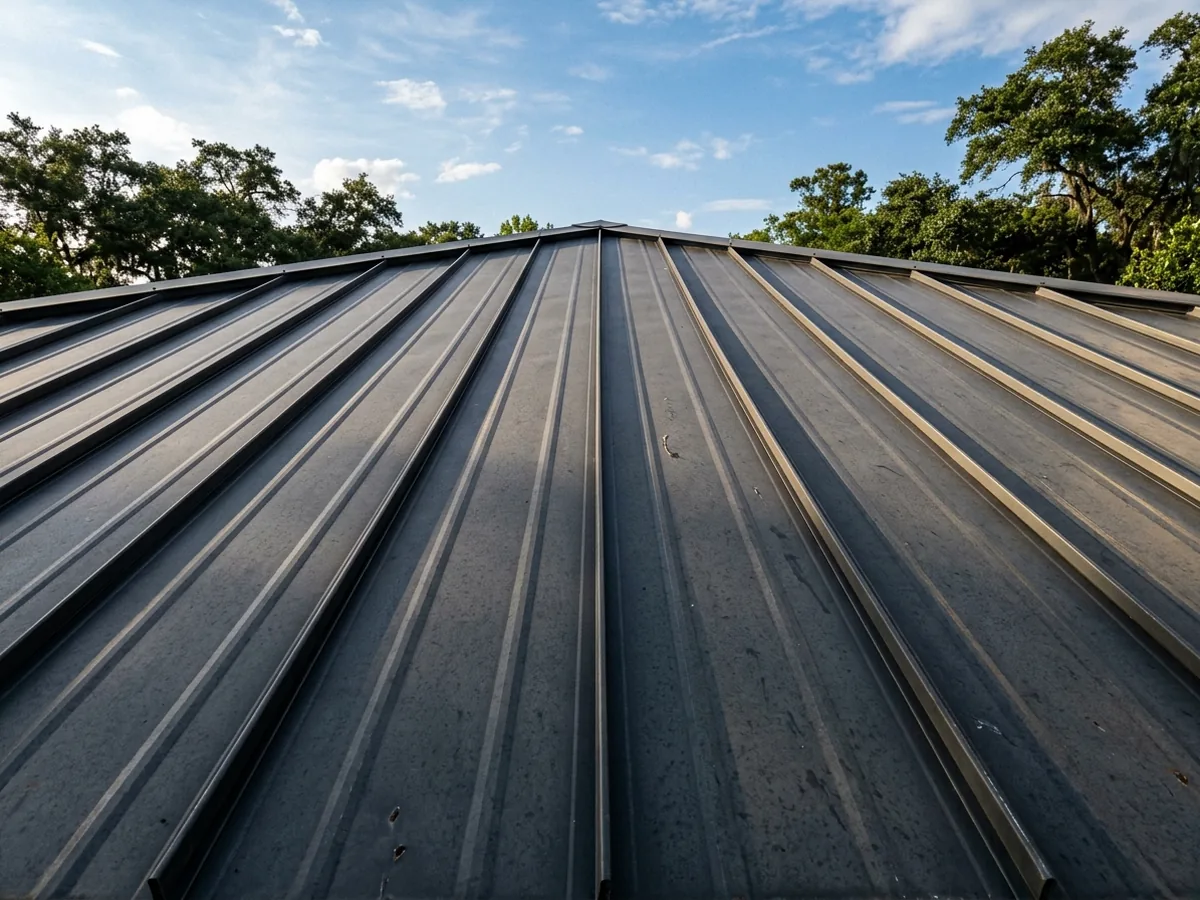
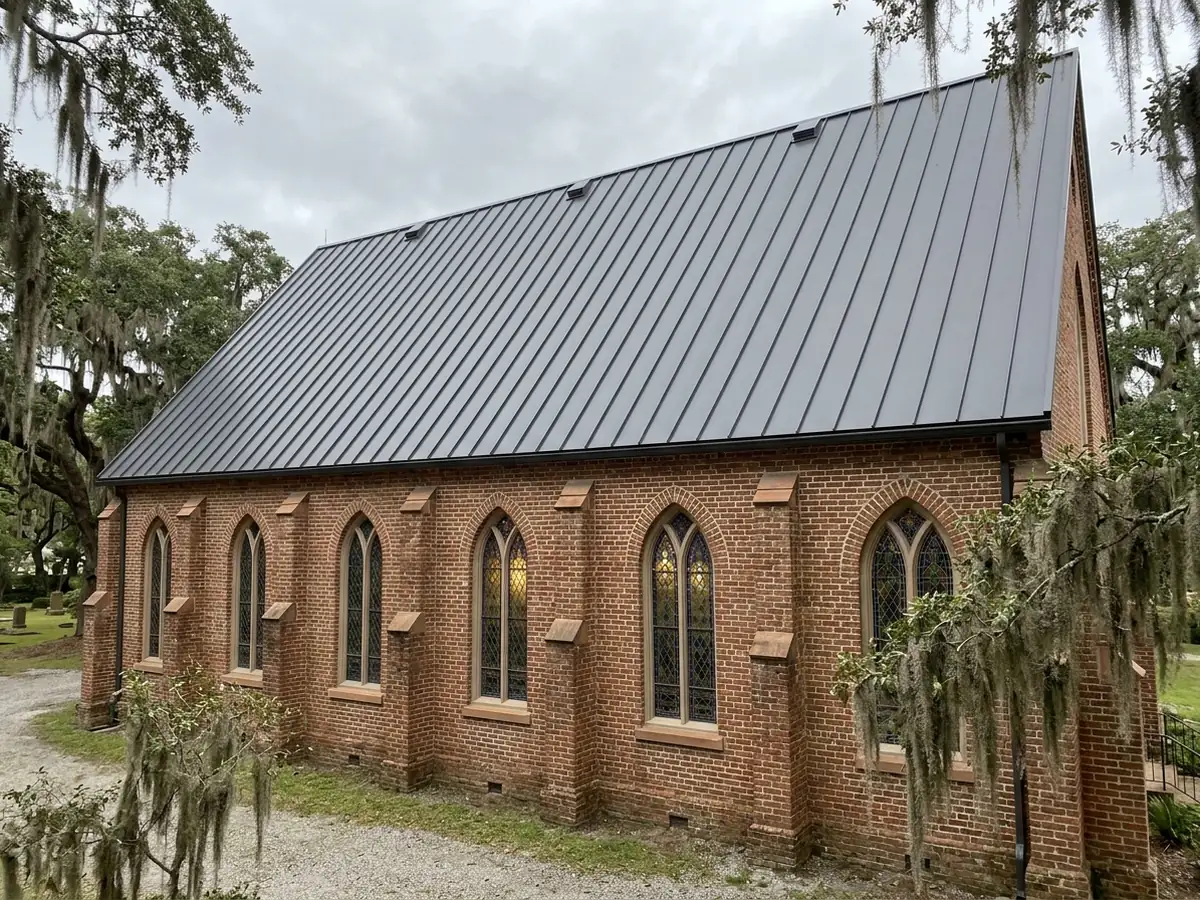
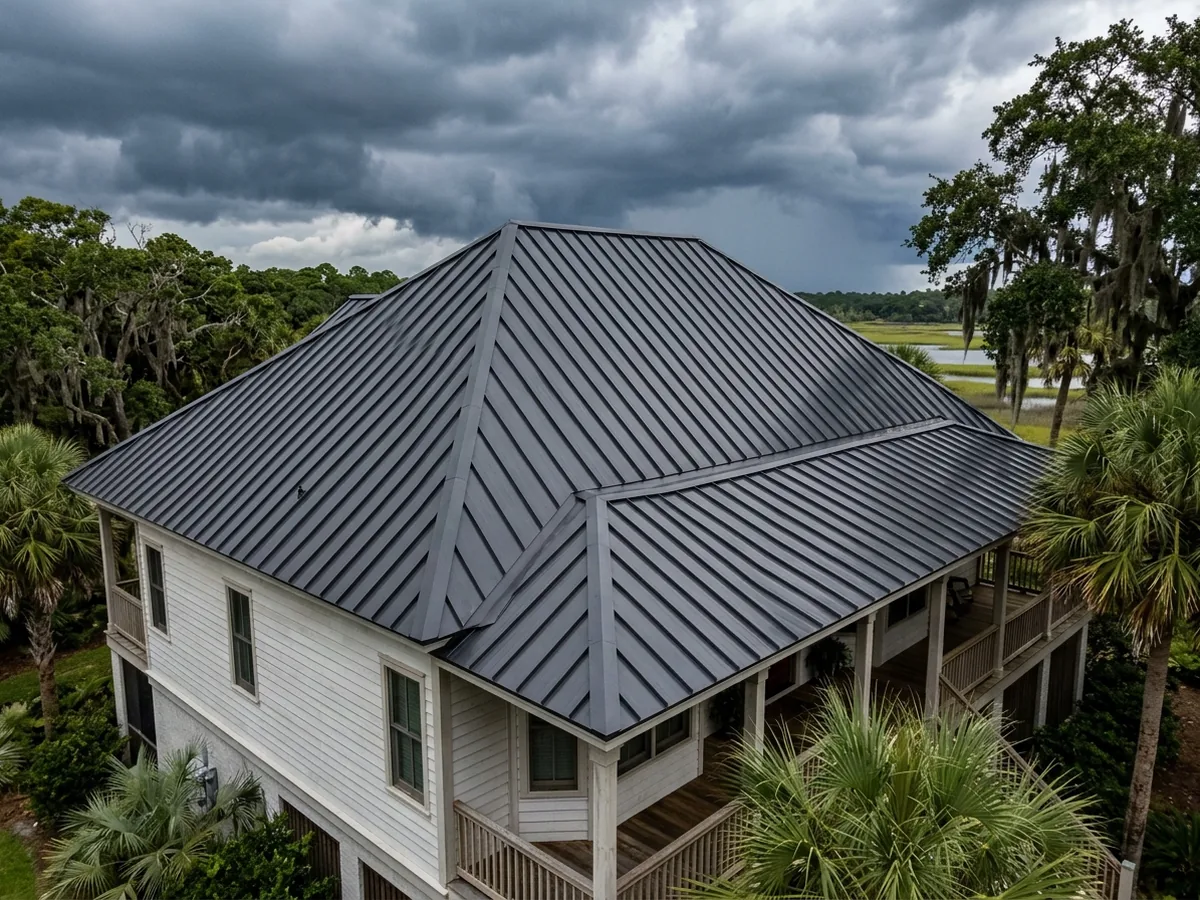
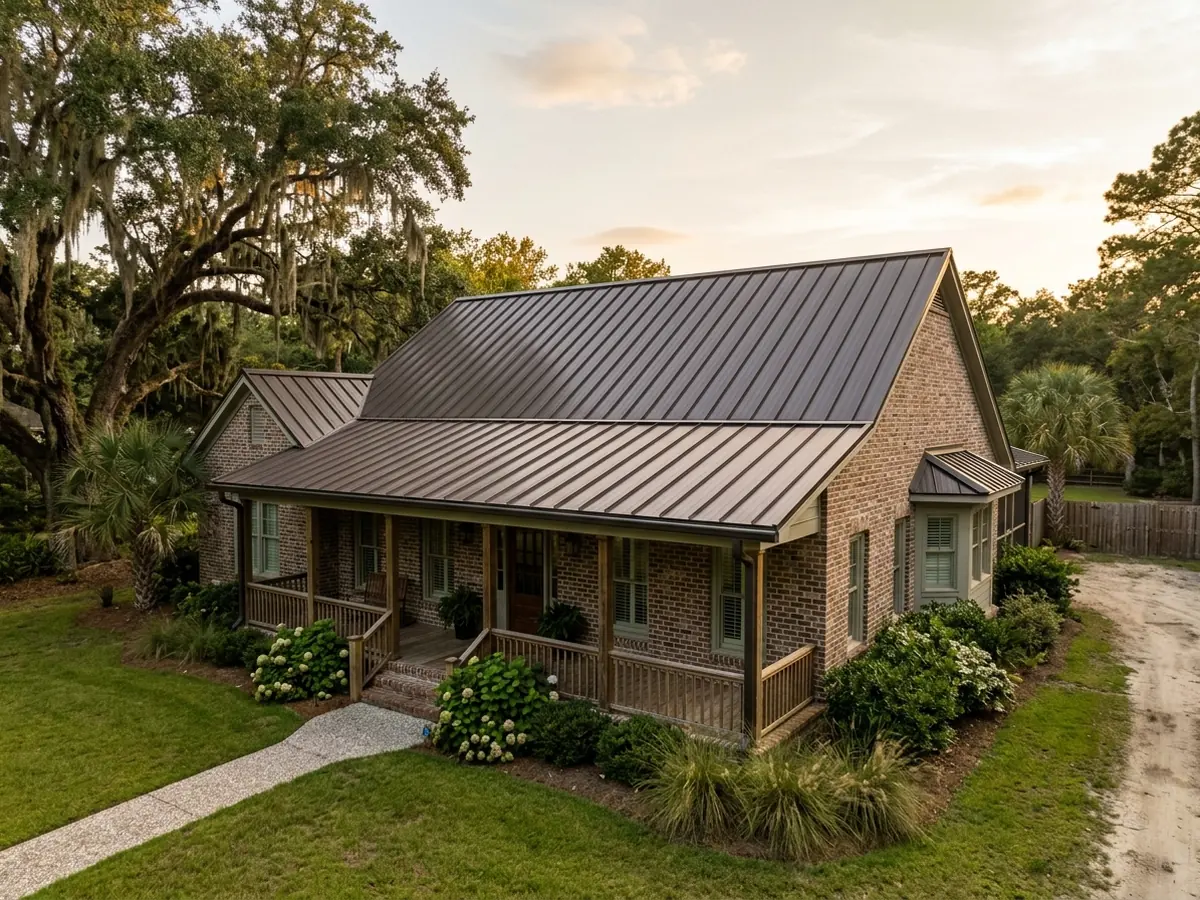
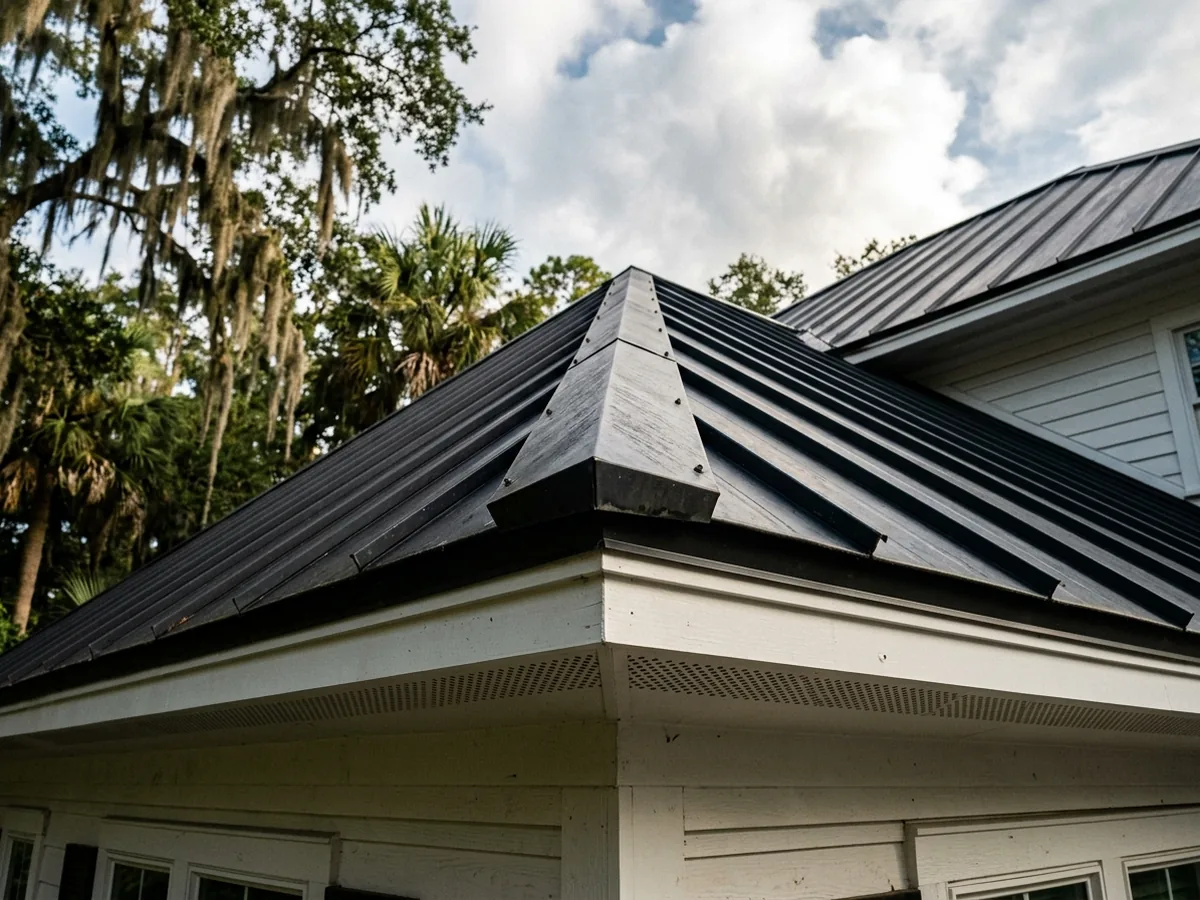
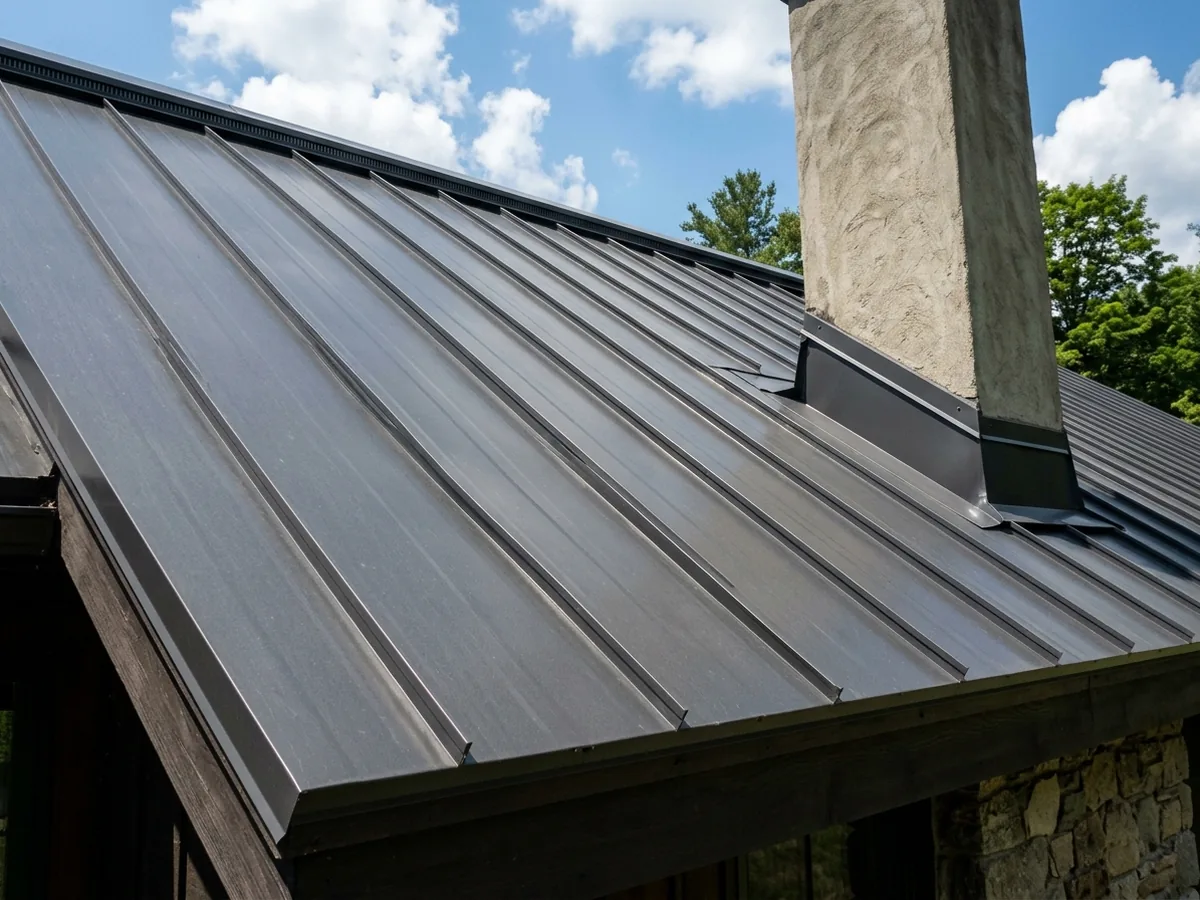
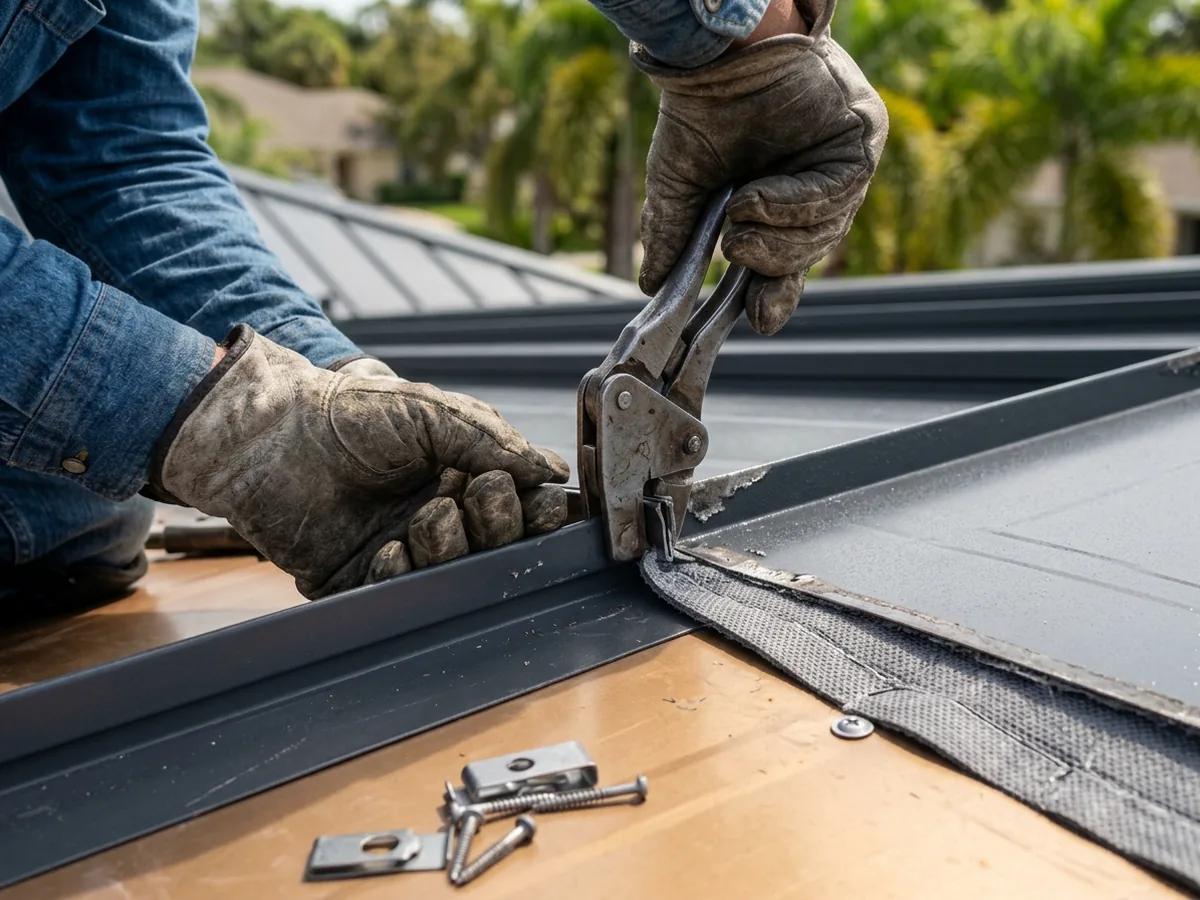
Standing seam panels lock together along raised seams with hidden clips beneath them, so no screw goes through the face of the roof. There are two common kinds. Snap-lock panels press together by hand and suit slopes of 3:12 and steeper. Mechanically seamed panels are folded shut on the roof with a seaming tool, single or double lock, and carry the best uplift values of the two, which counts in a city that designs for hurricane winds. Standing seam can go on slopes as low as 1/4 inch per foot.
Steel panels need at least an AZ50 Galvalume or G90 galvanized coating under the paint. That coating is what an industry field study looked at when it projected more than 60 years of service from unpainted Galvalume standing seam.
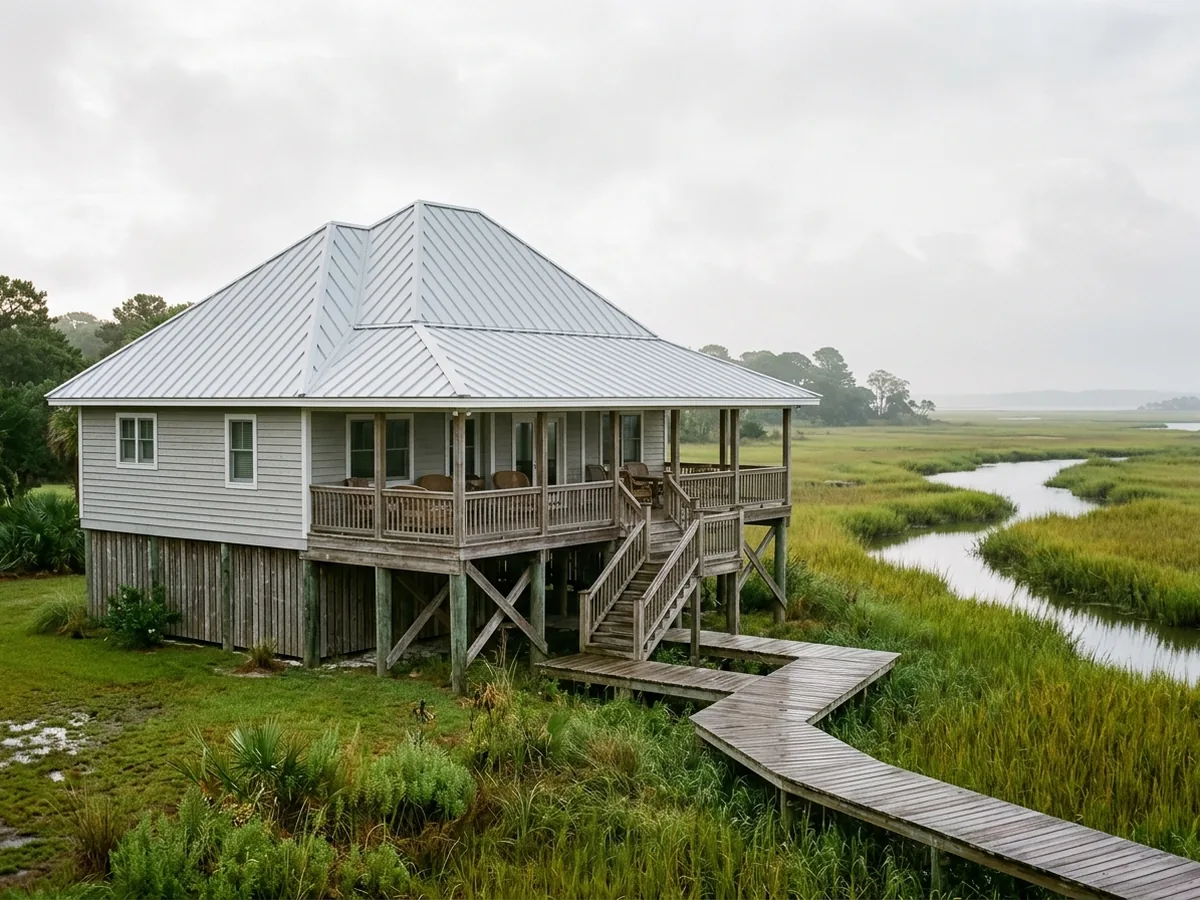
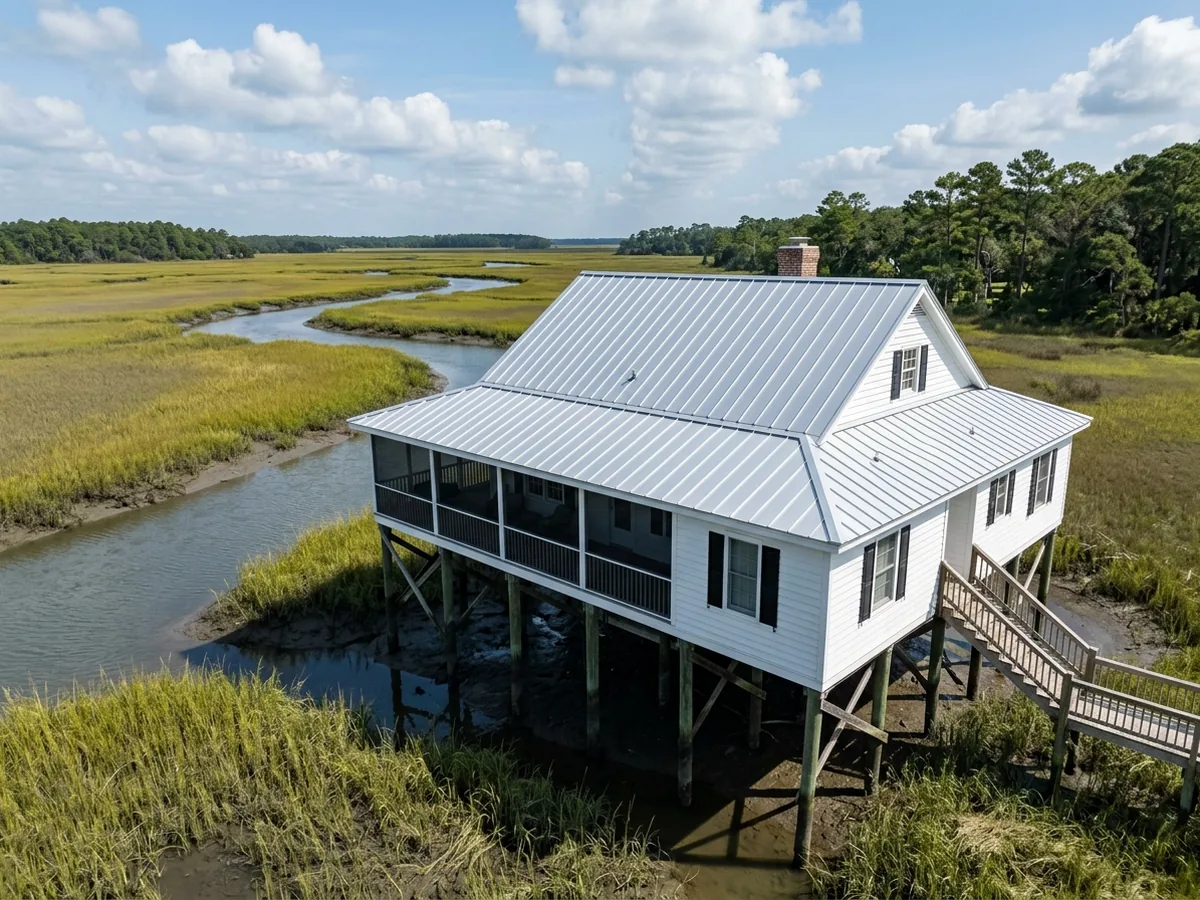
Aluminum Roofing Near Salt Water
Aluminum doesn't rust, which is why it shows up on houses facing the harbor, the marsh and the creeks. Steel panel warranties tend to stop at the water's edge: one manufacturer's 25-year Galvalume warranty needs the house 2,800 feet from surf, 1,200 feet from a large bay and 600 feet from a marsh or canal. A lot of Charleston homes sit inside those lines.
Aluminum panels must be at least 0.024 inch thick under the residential code. They usually run in the same standing seam profiles as steel and cost more: one cost guide prices installed aluminum at $700 to $1,700 per 100-square-foot "square".
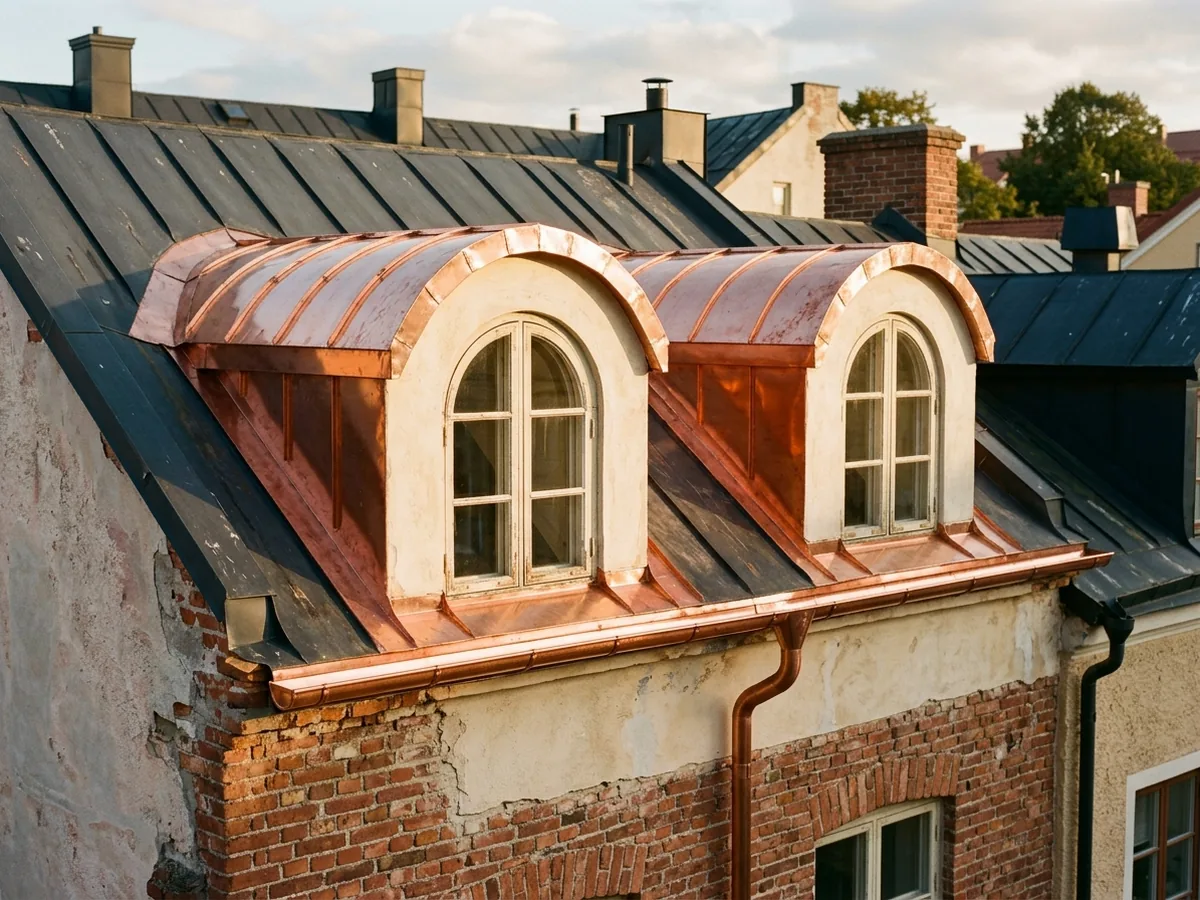
Copper Roofing, Dormers and Bays
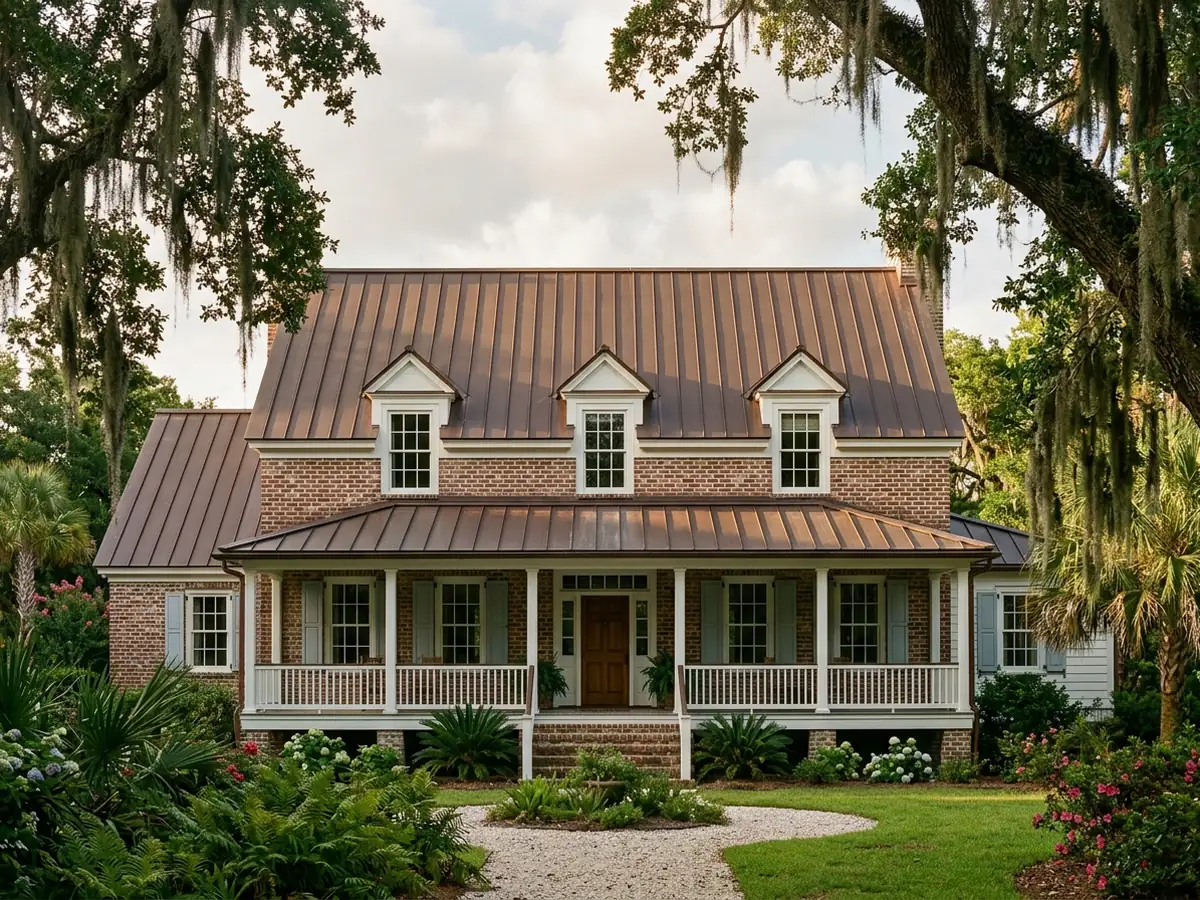
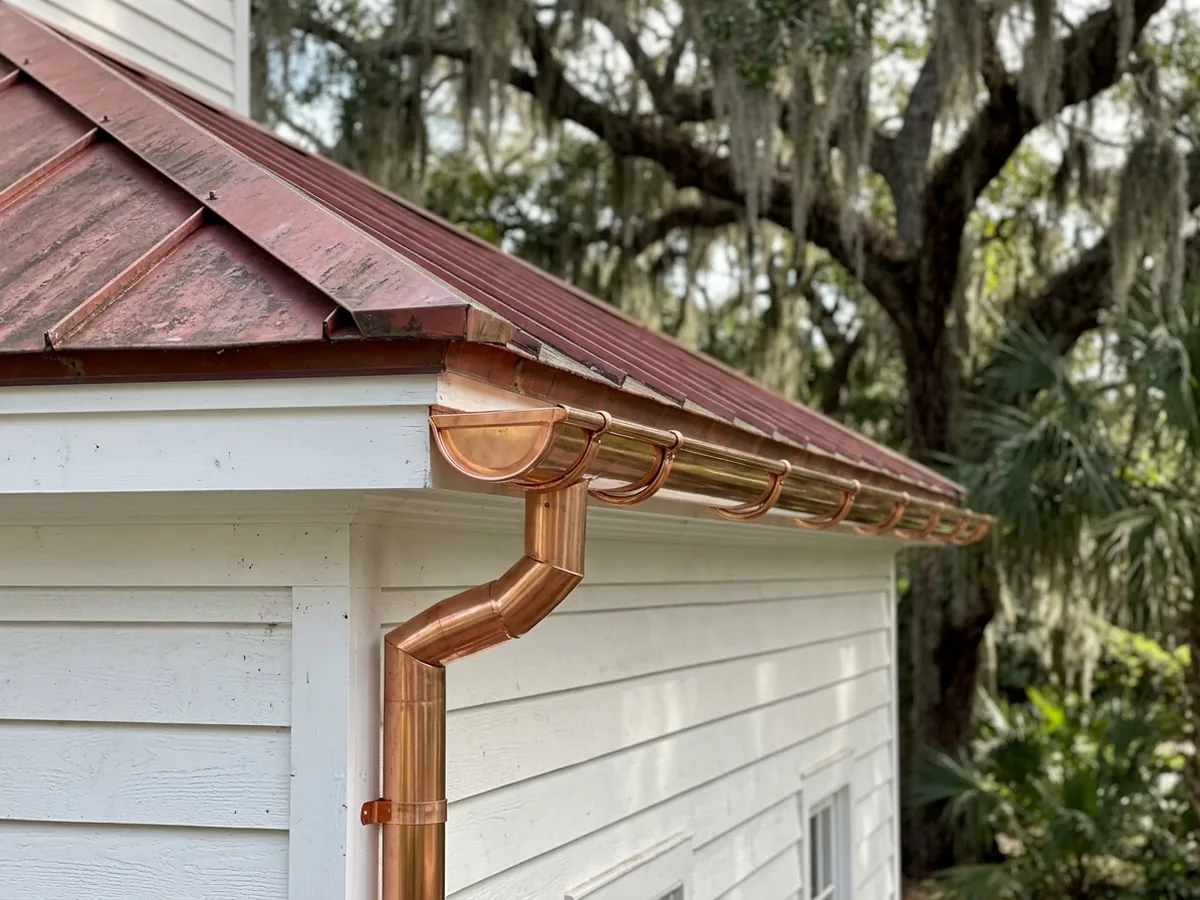
Copper goes on whole roofs, but in Charleston it's more often on the parts people see: dormers, bay windows, cupolas, porch hoods and half-round gutters. The code minimum is 16-ounce copper, or 12-ounce for high-yield copper. Fasteners have to be copper, brass, bronze or 300-series stainless; a plain steel screw in copper corrodes fast.
Copper is also the material the Board of Architectural Review allows as a substitute for terne on many historic buildings, and it costs the most: $1,300 to $3,000 per square installed in one cost guide.
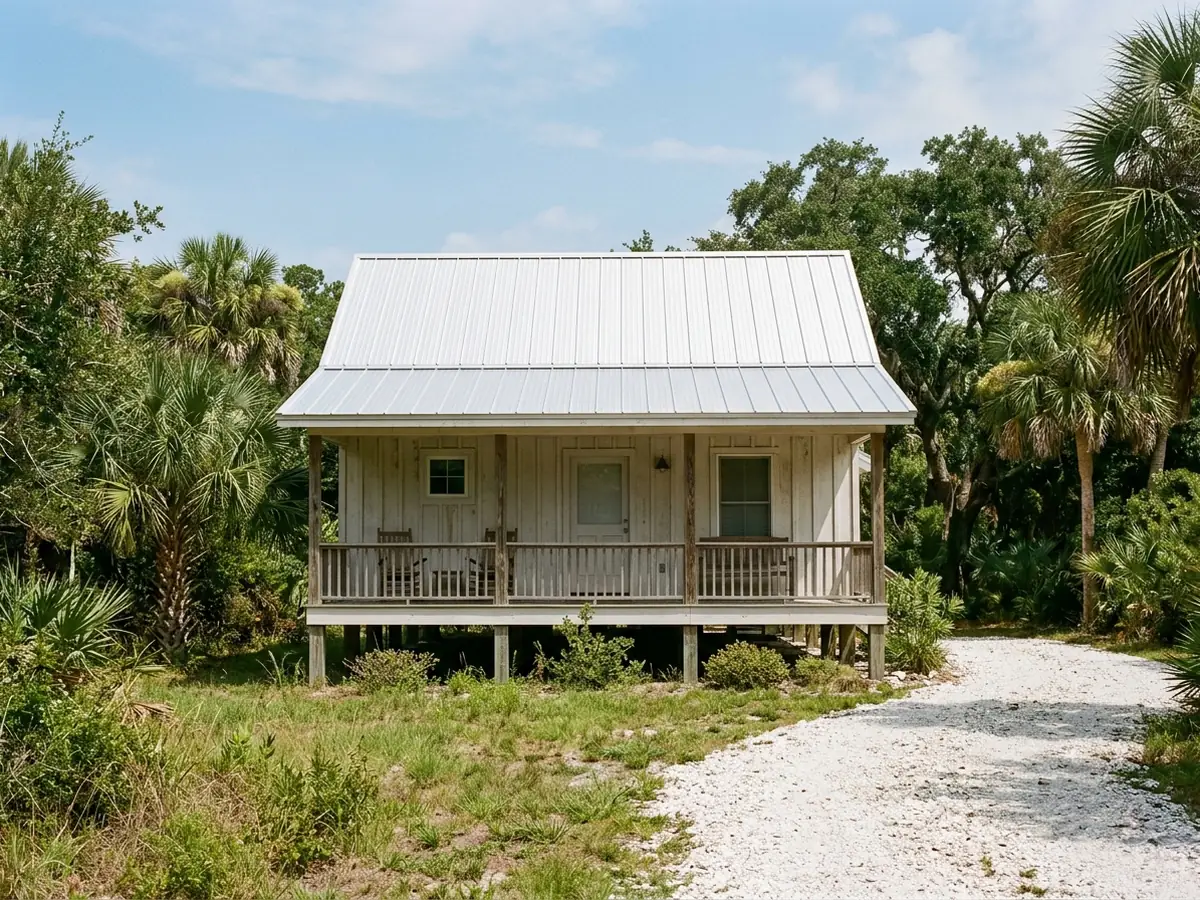
5V Crimp Metal Roofing
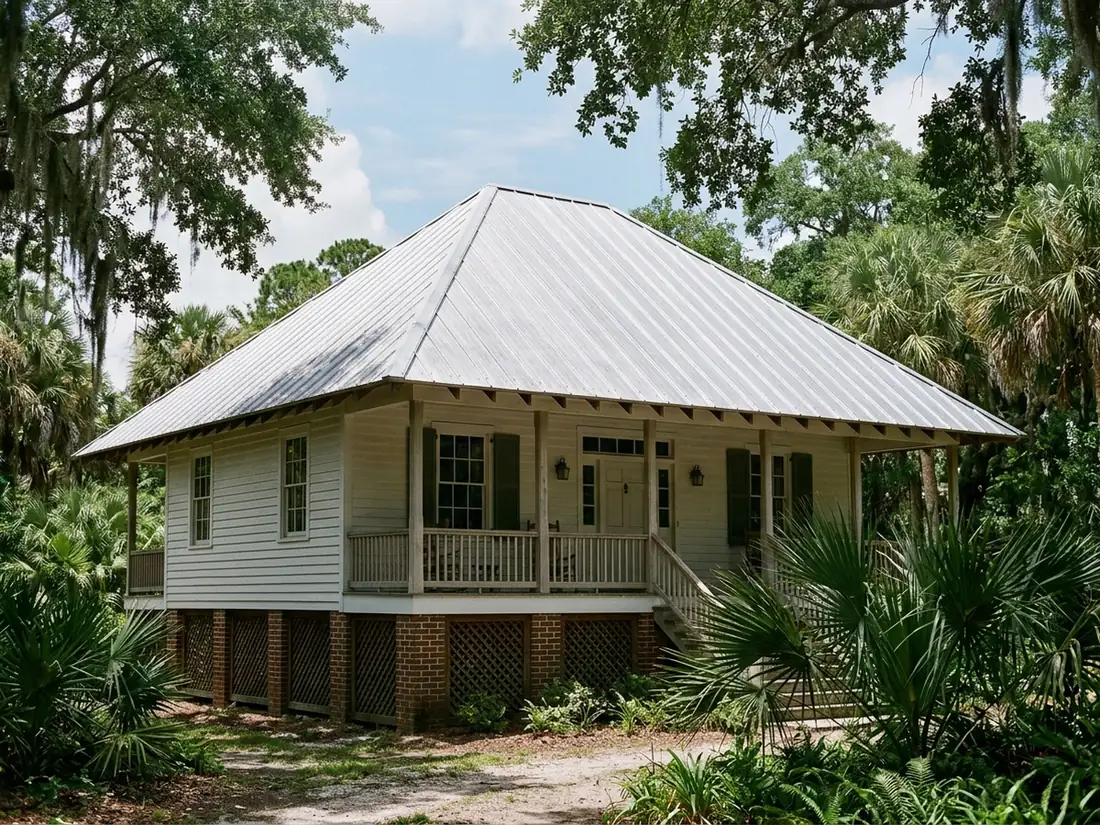
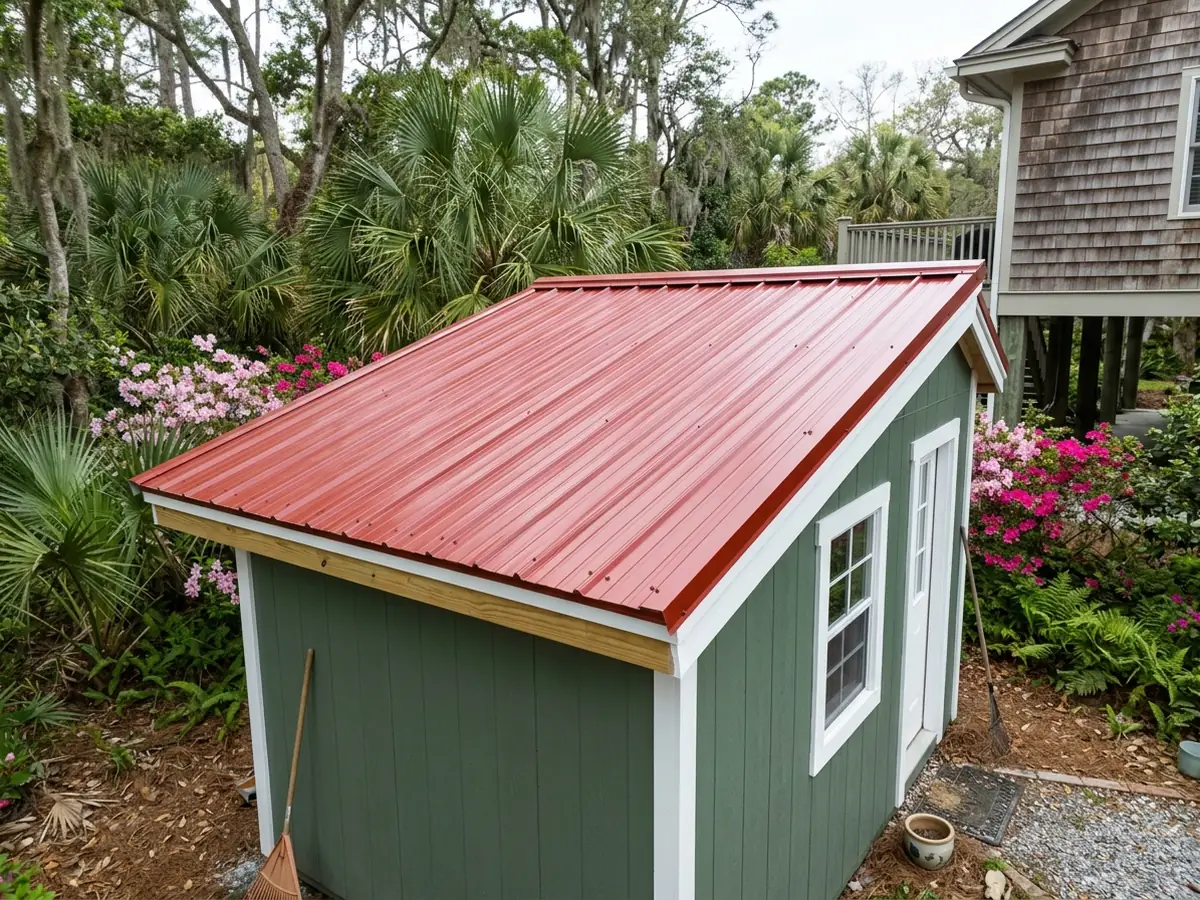
5V crimp is the roof on a lot of older Lowcountry cottages, farmhouses and beach houses: flat panels with five evenly spaced V-shaped ribs, lapped at the edges and screwed through the face. It's simpler and cheaper than standing seam, at $5 to $12 a square foot in one national cost guide against $9 to $16 for standing seam.
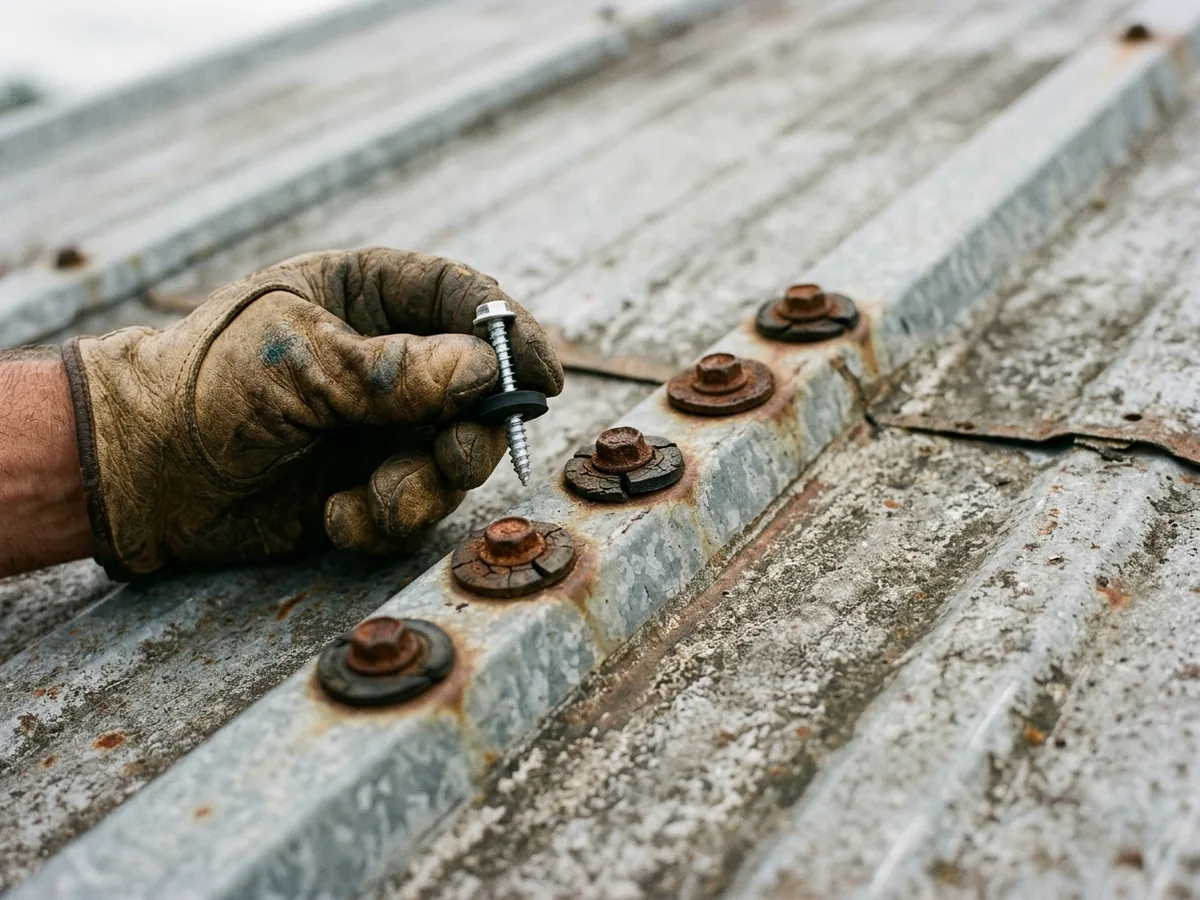
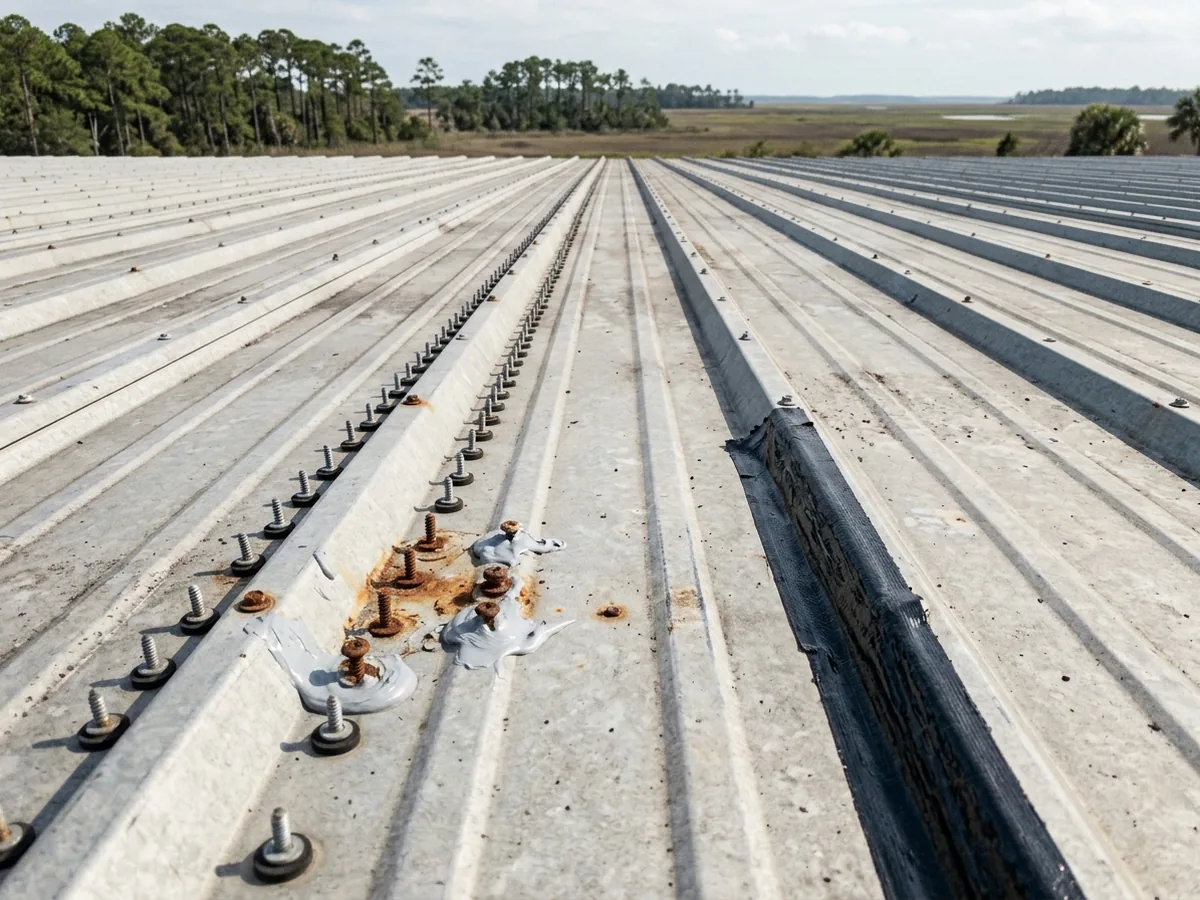
Because the side laps are screwed rather than seamed, slope matters. The code wants 3:12 or steeper for laps without sealant, and the screws and their washers need attention over the years.
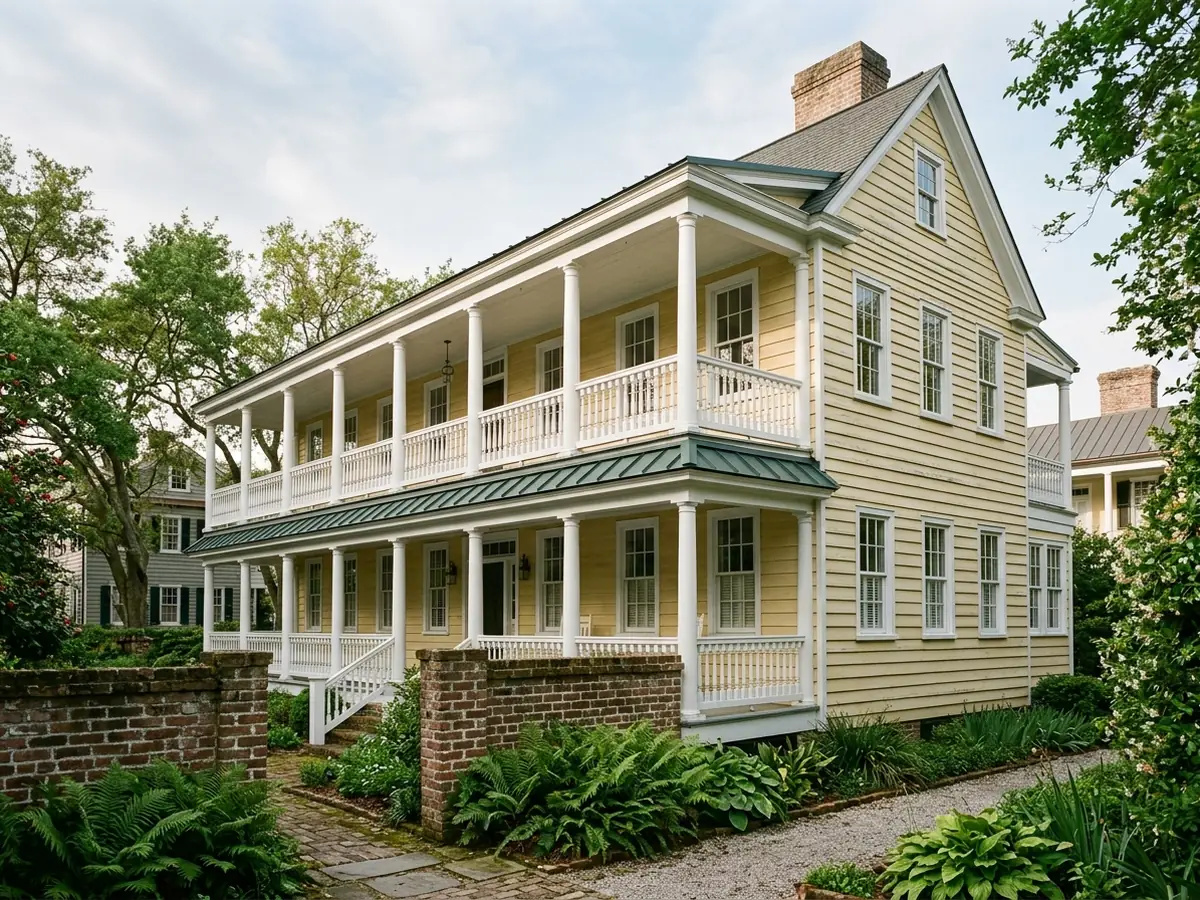
Piazza and Porch Roofs
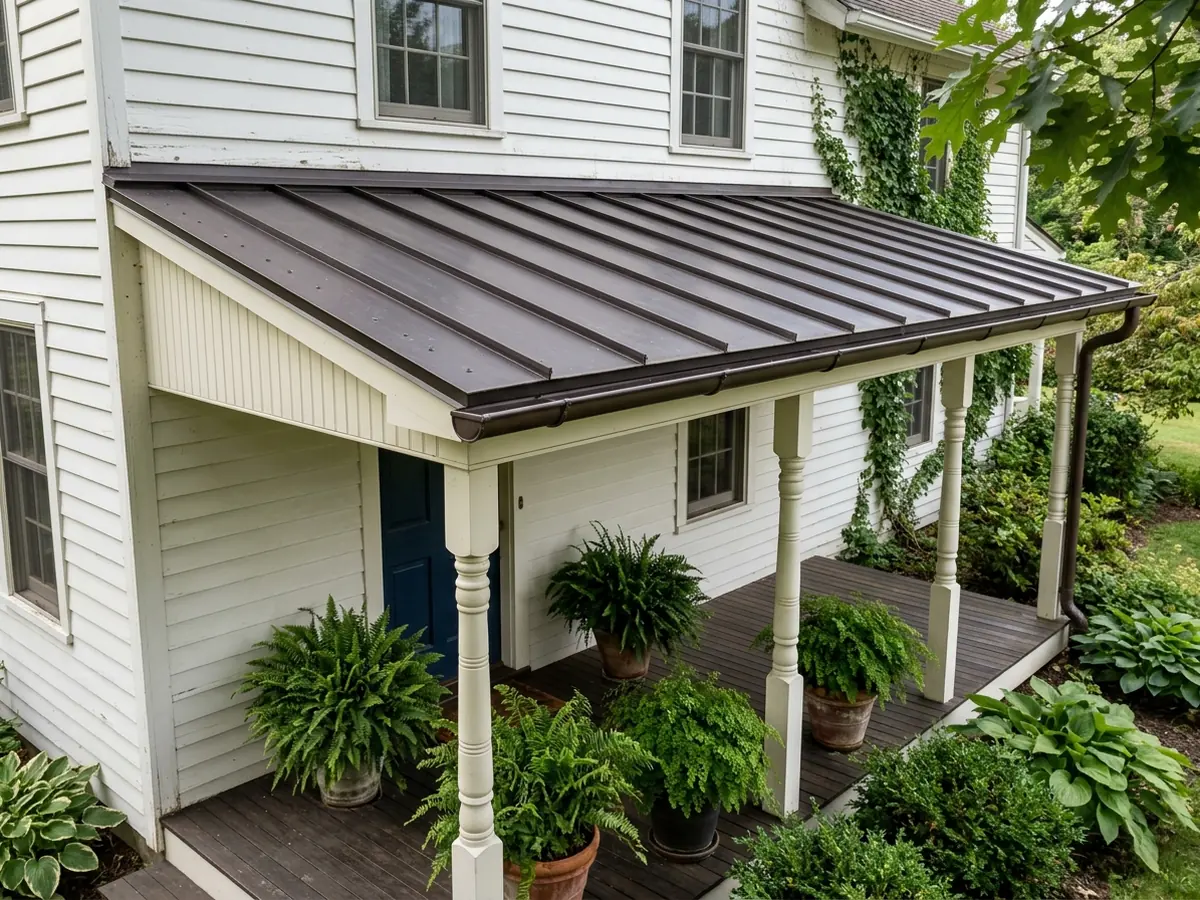
Charleston's side piazzas and front porches often have roofs too flat for shingles. Metal handles low slopes well: standing seam is allowed down to 1/4:12, where lapped panels and shingles aren't. The details that keep a porch roof dry are the flashing where it meets the house wall, the transition to the main roof, and gutters sized for summer downpours.
A porch roof is a smaller job and often the first piece of a house to get metal.
Terne and Historic Tin Roof Restoration
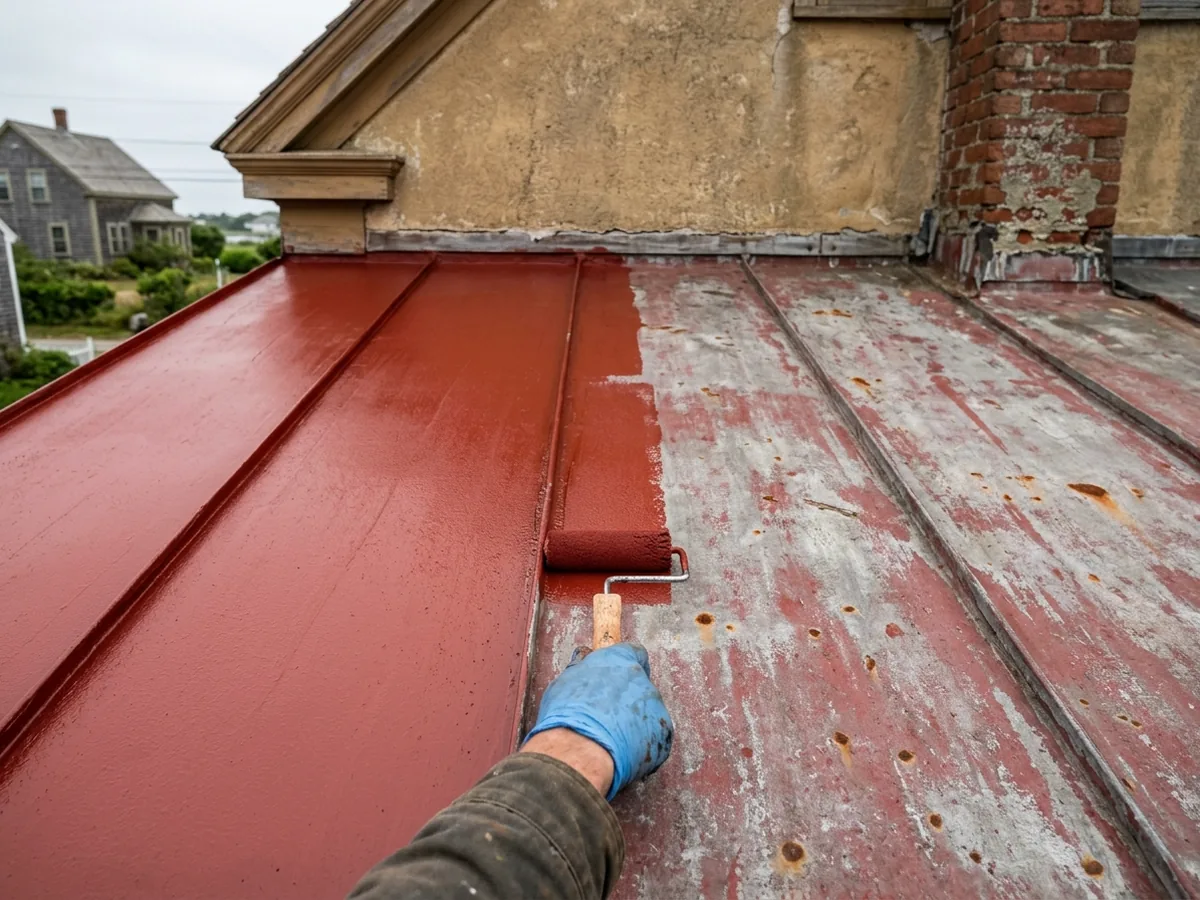
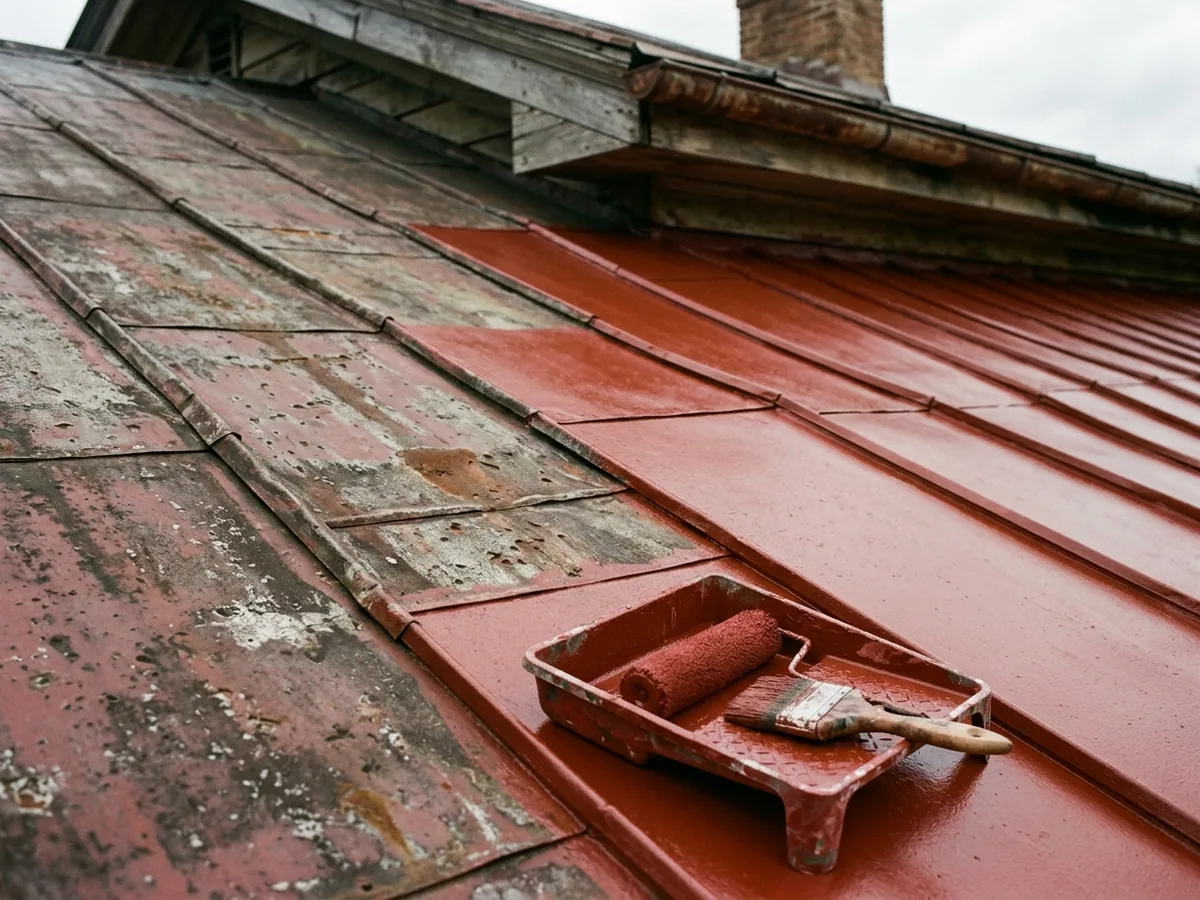
Many older Charleston houses have terne roofs: steel or iron sheets coated in a lead-tin alloy, joined with flat-locked or standing seams, and kept alive with paint. A sound terne roof can usually be repaired, re-soldered at failed seams and repainted rather than replaced.
Inside the historic districts that's also the rule. The Board of Architectural Review's roofing policy is to repair before replacing, and to replace in kind when a roof is beyond repair. Where terne isn't available, staff can approve aluminum or coated copper in its place.
Metal Shingles and Stone-Coated Steel
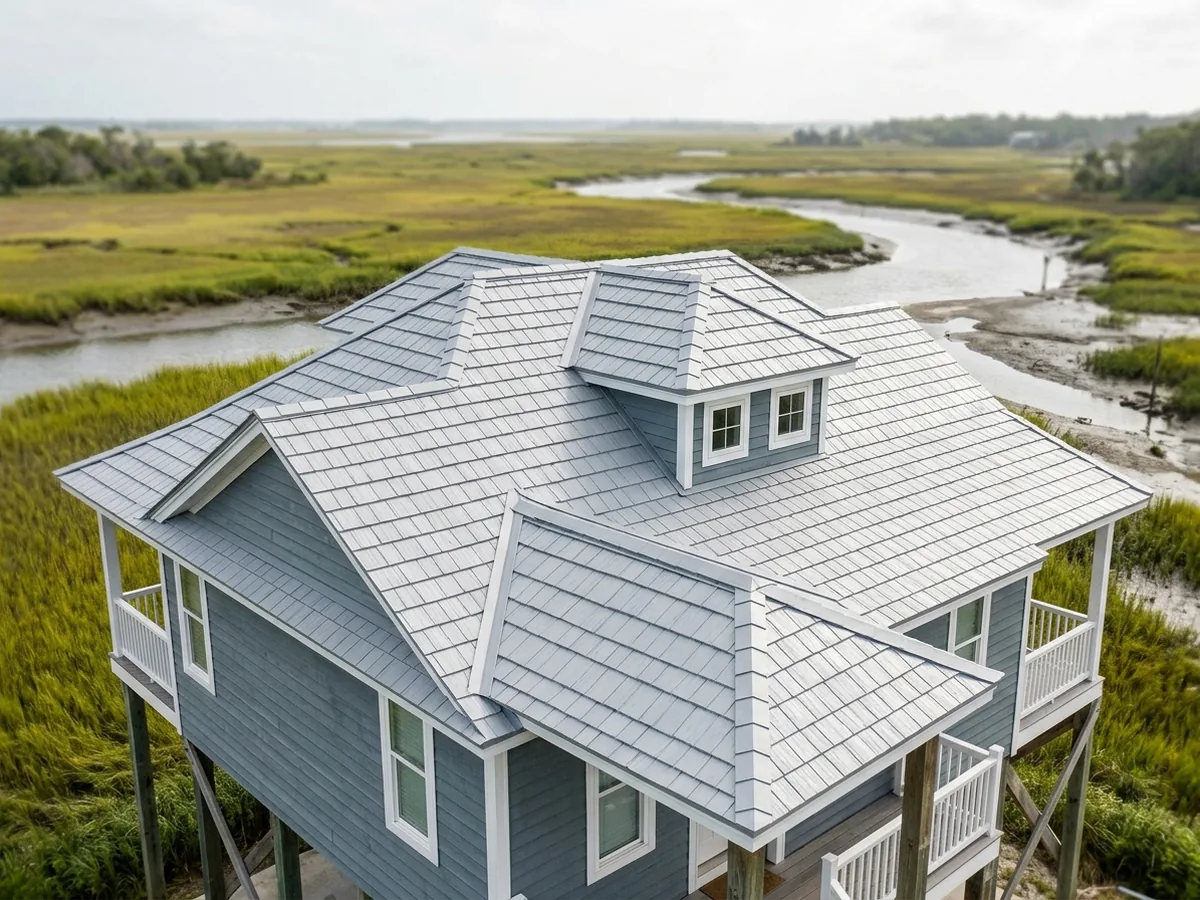
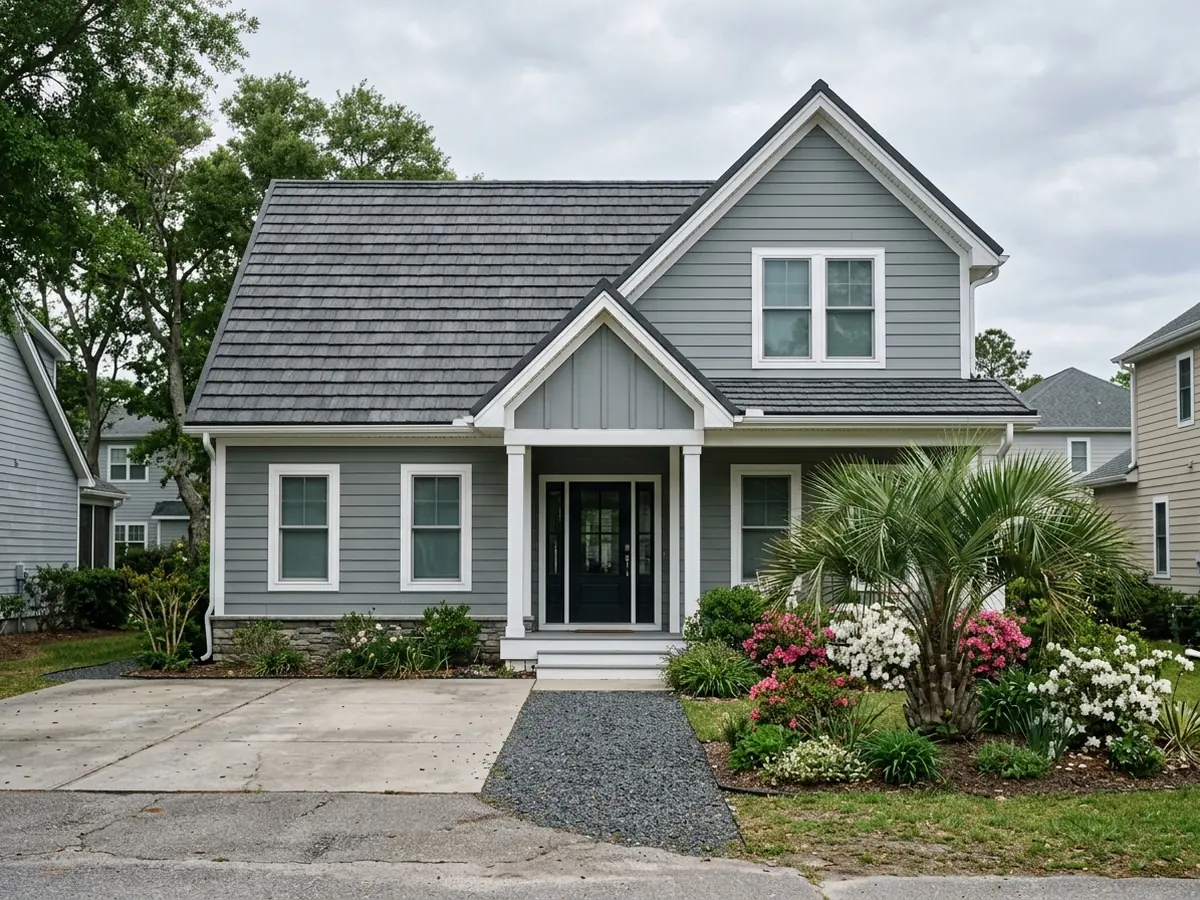
Metal shingles and stone-coated steel look like asphalt shingles, shakes or tile from the street, which suits a house where standing seam would look out of place or a neighborhood with design rules. Stone-coated panels carry a layer of granules bonded to the steel.
Under the code, metal shingles need a passing wind test (ASTM D3161, FM 4474, UL 580 or UL 1897). Some products also hold a UL 2218 Class 4 impact rating, meaning the covering survived a 2-inch steel ball dropped from 20 feet. Ask for both test results by product name.
See Metal Shingles in Charleston, SC and Stone Coated Steel Roofing in Charleston, SC.
Exposed-Fastener Panels for Sheds, Docks and Outbuildings
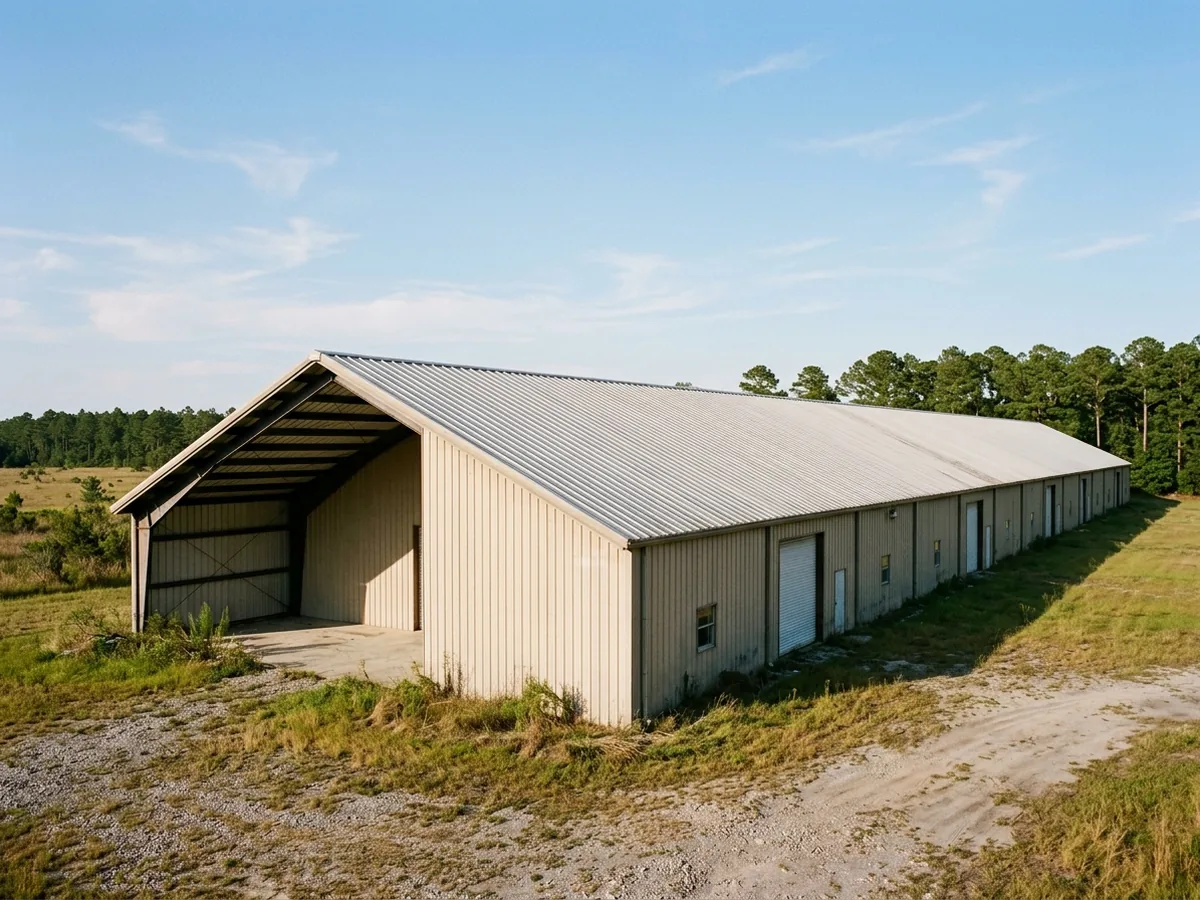
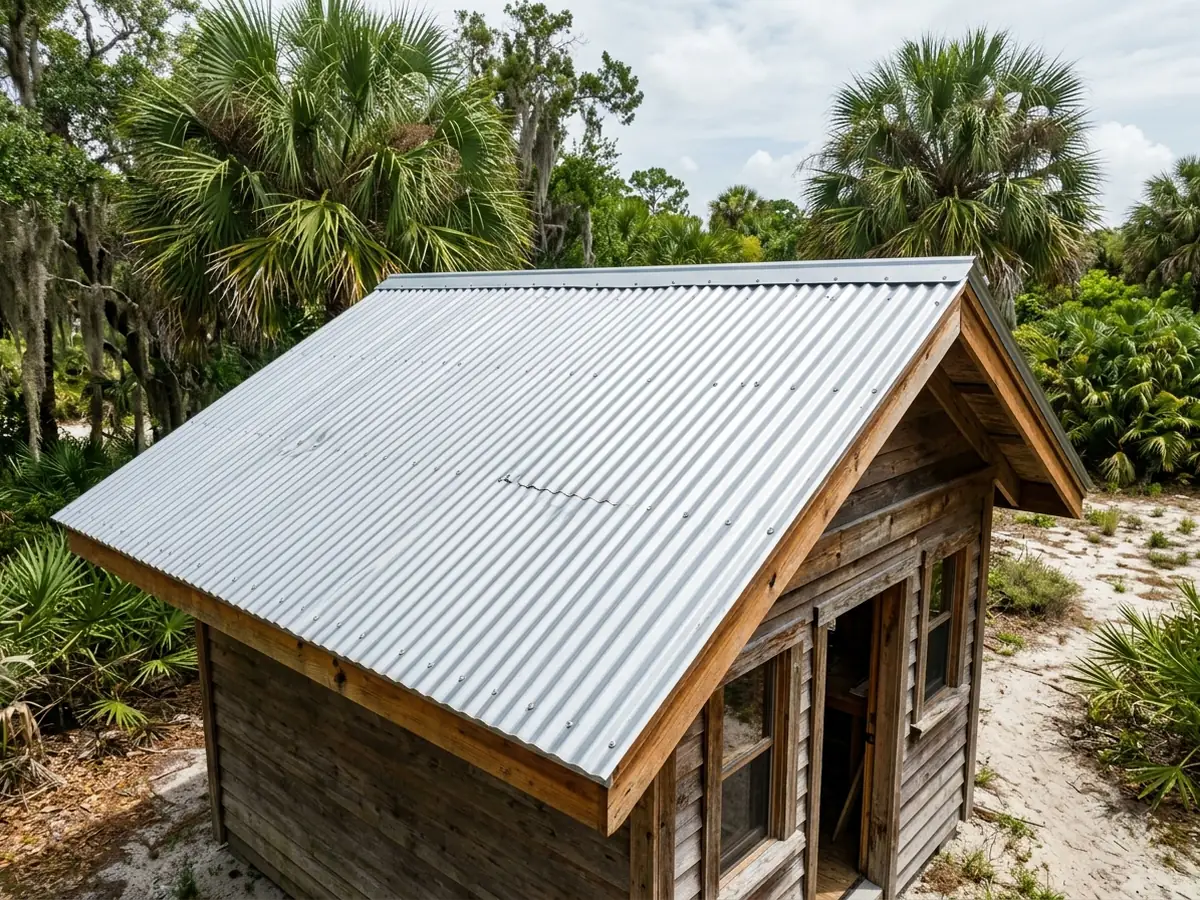
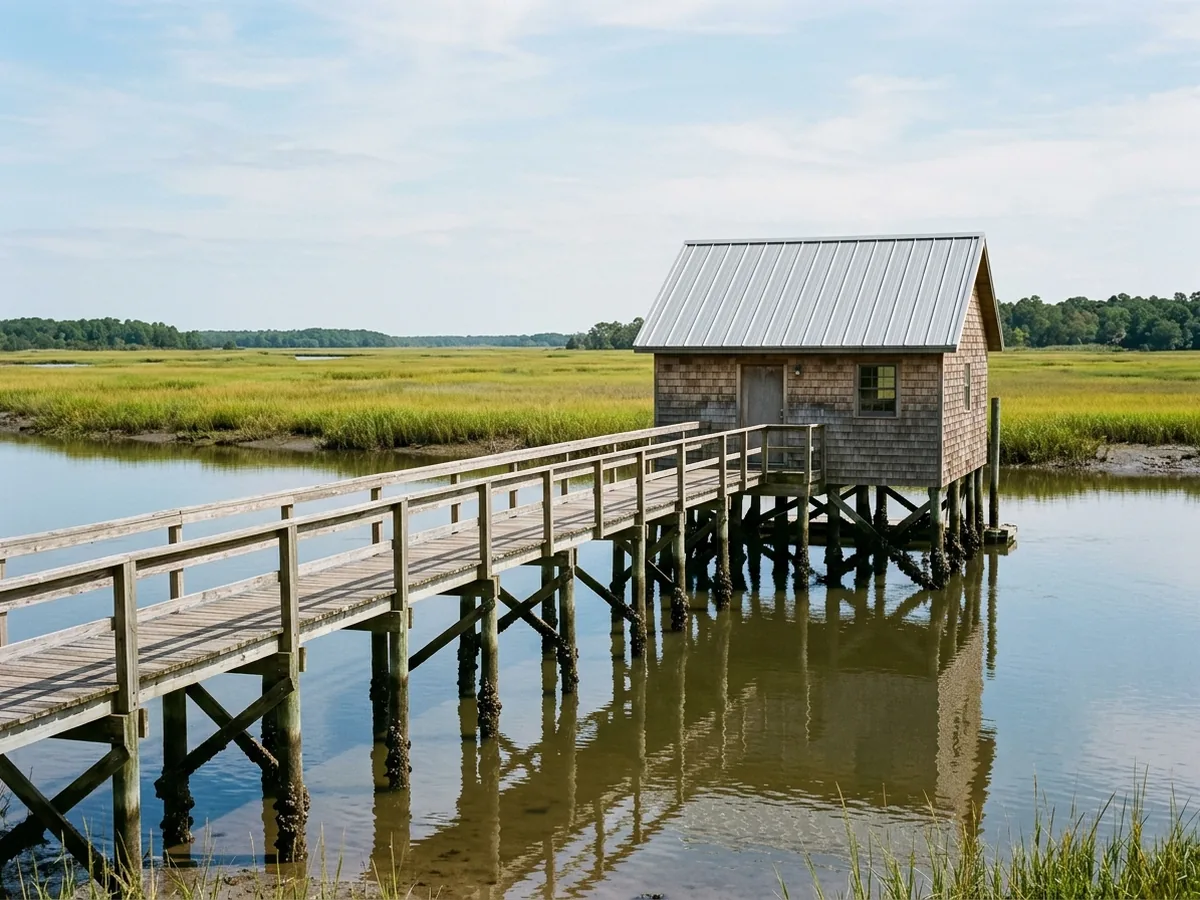
R-panel, corrugated and other ribbed panels are screwed straight through the face into purlins or decking. They're the budget option for garages, barns, workshops, carports, dock houses and boathouses, and for homes where looks matter less than price.
Near salt water, the screws decide how long these roofs last. In the field study mentioned above, 300-series stainless fasteners held up while 400-series ones needed replacing well before the panels did. Ask what the screws are made of, not only the panels.
See Corrugated Metal Roofing in Charleston, SC and Metal Shed and Barn Roofs in Charleston, SC.
Shingle-to-Metal Roof Replacement
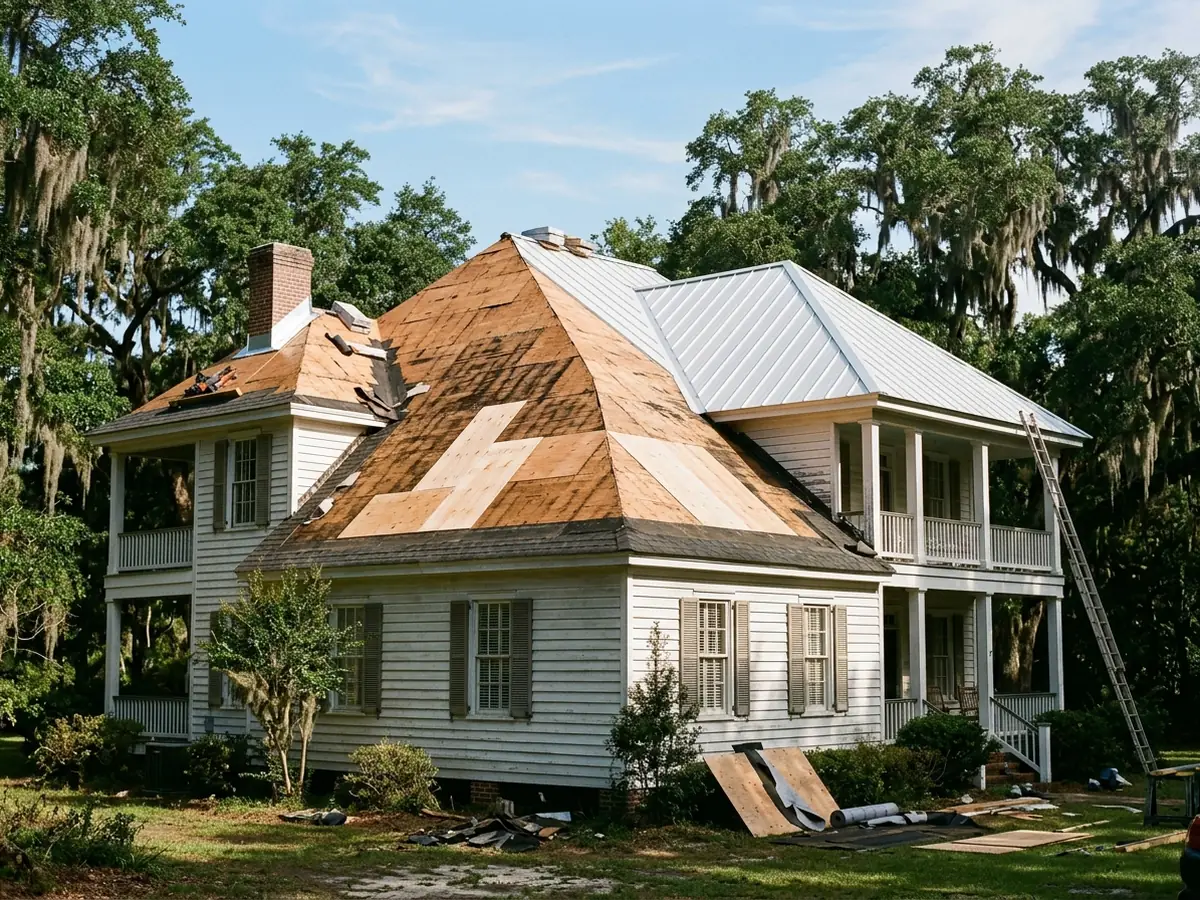
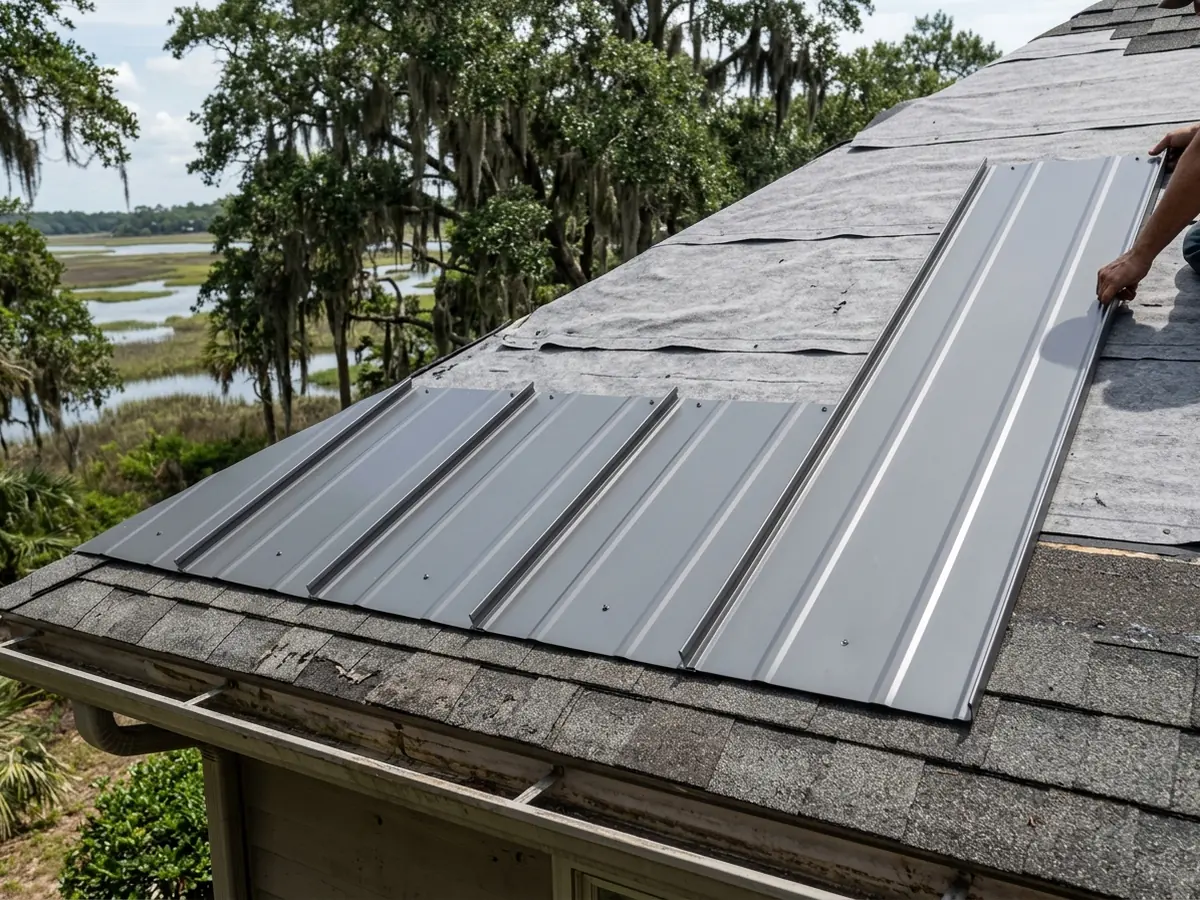
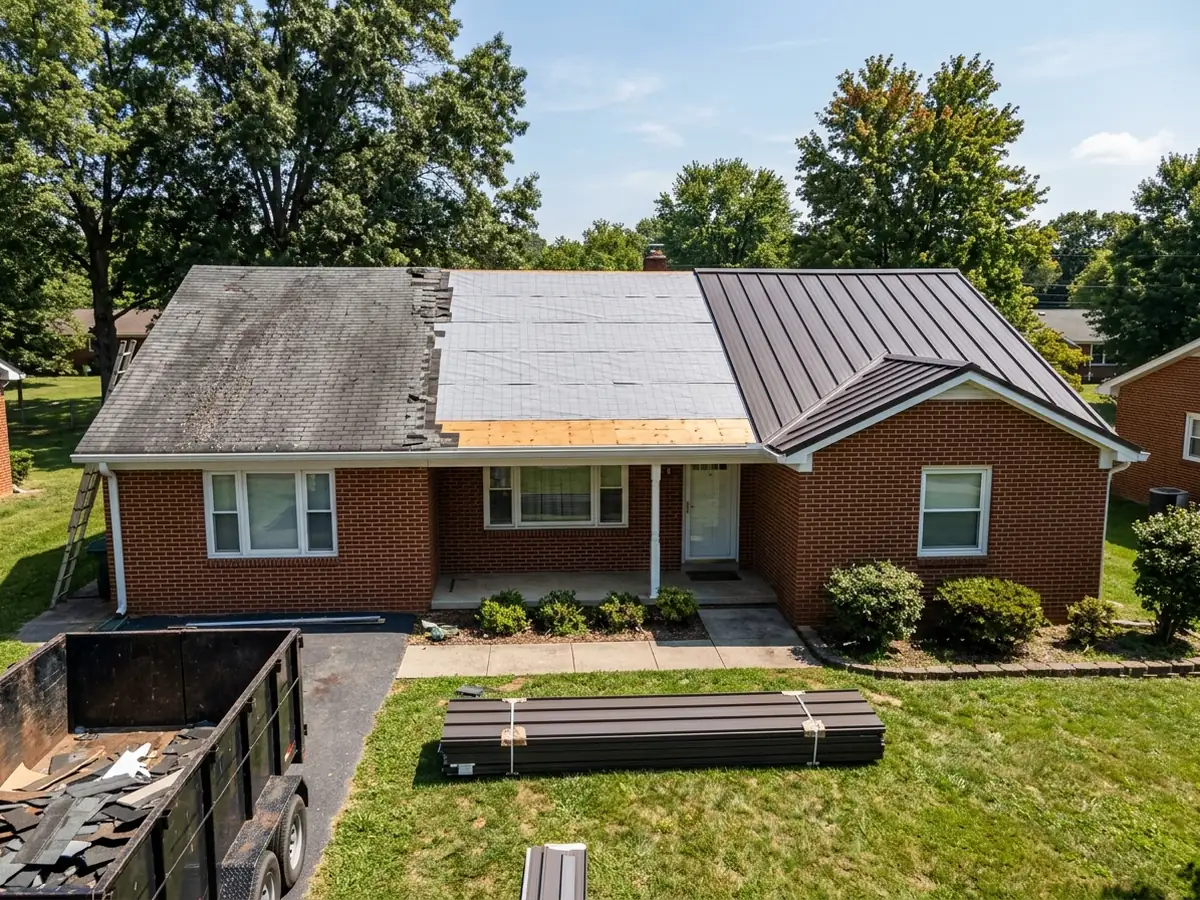
Most metal roofs in Charleston replace asphalt shingles. The usual sequence is tear-off, decking repairs, synthetic underlayment, edge metal, panels, flashing and ridge. The code doesn't allow a new covering over a roof that already has two or more layers or is wet or deteriorated. Stripping it also lets the crew find soft decking before the panels hide it.
In the City of Charleston a re-roof needs a permit, and the application for a metal roof has to include the manufacturer's specifications. The contractor files those.
See Metal Roof Replacement in Charleston, SC and Metal Roof Over Shingles in Charleston, SC.
Metal Roof Repair and Leak Repair
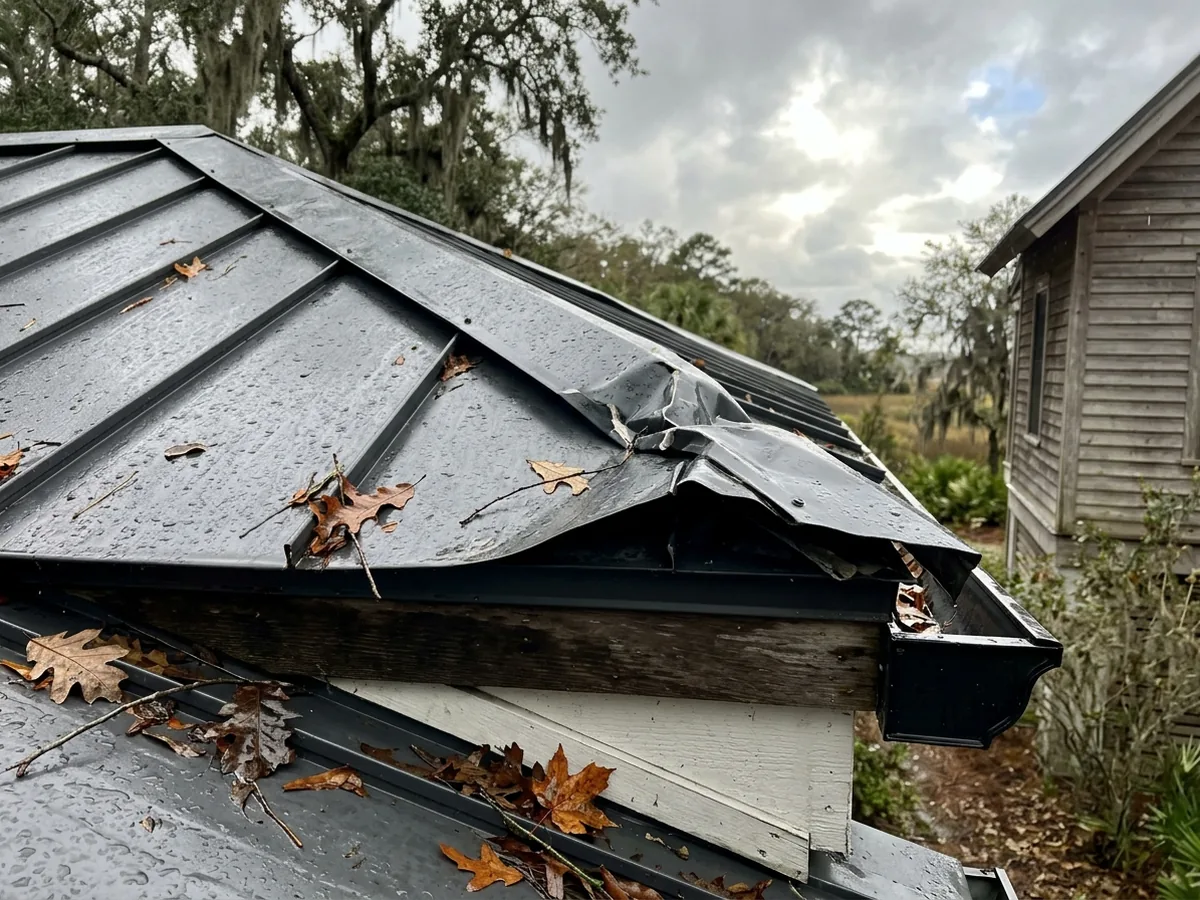
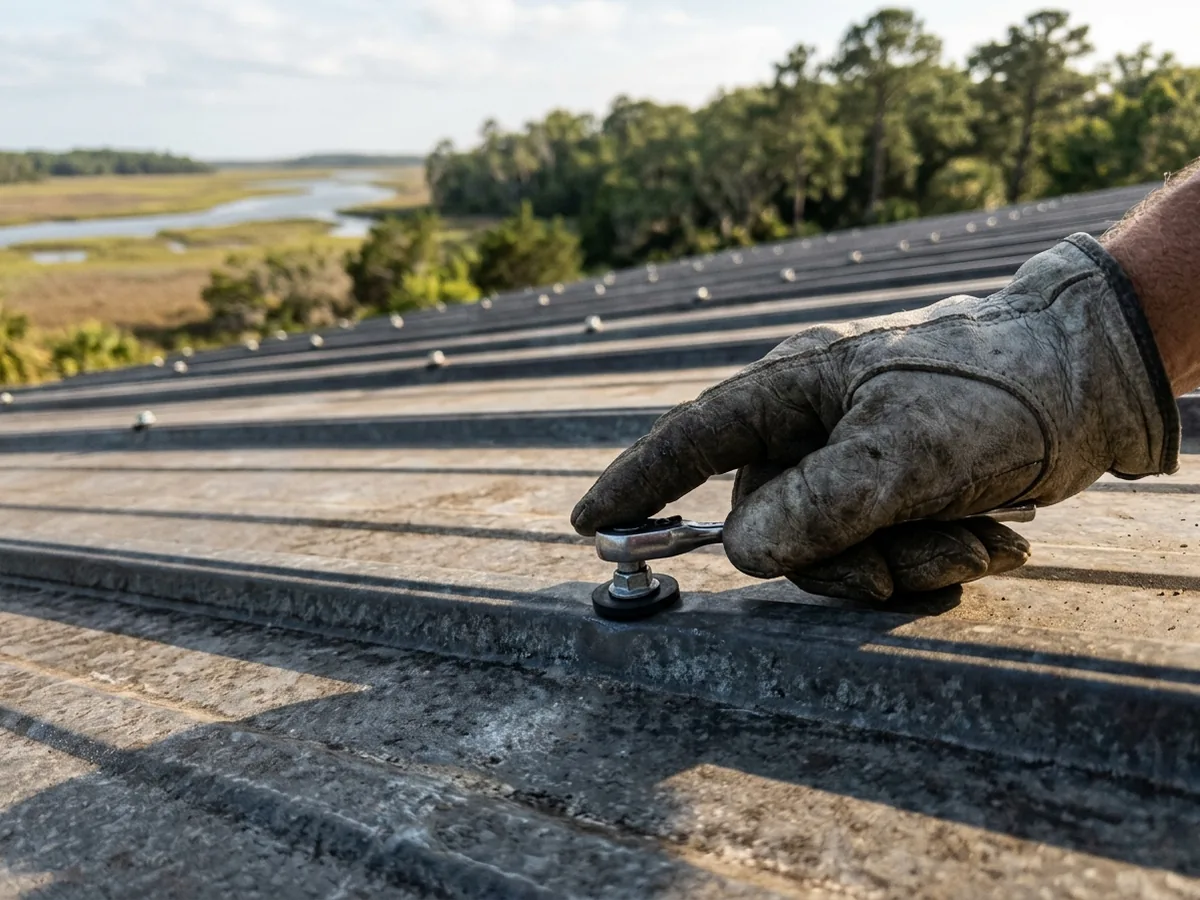
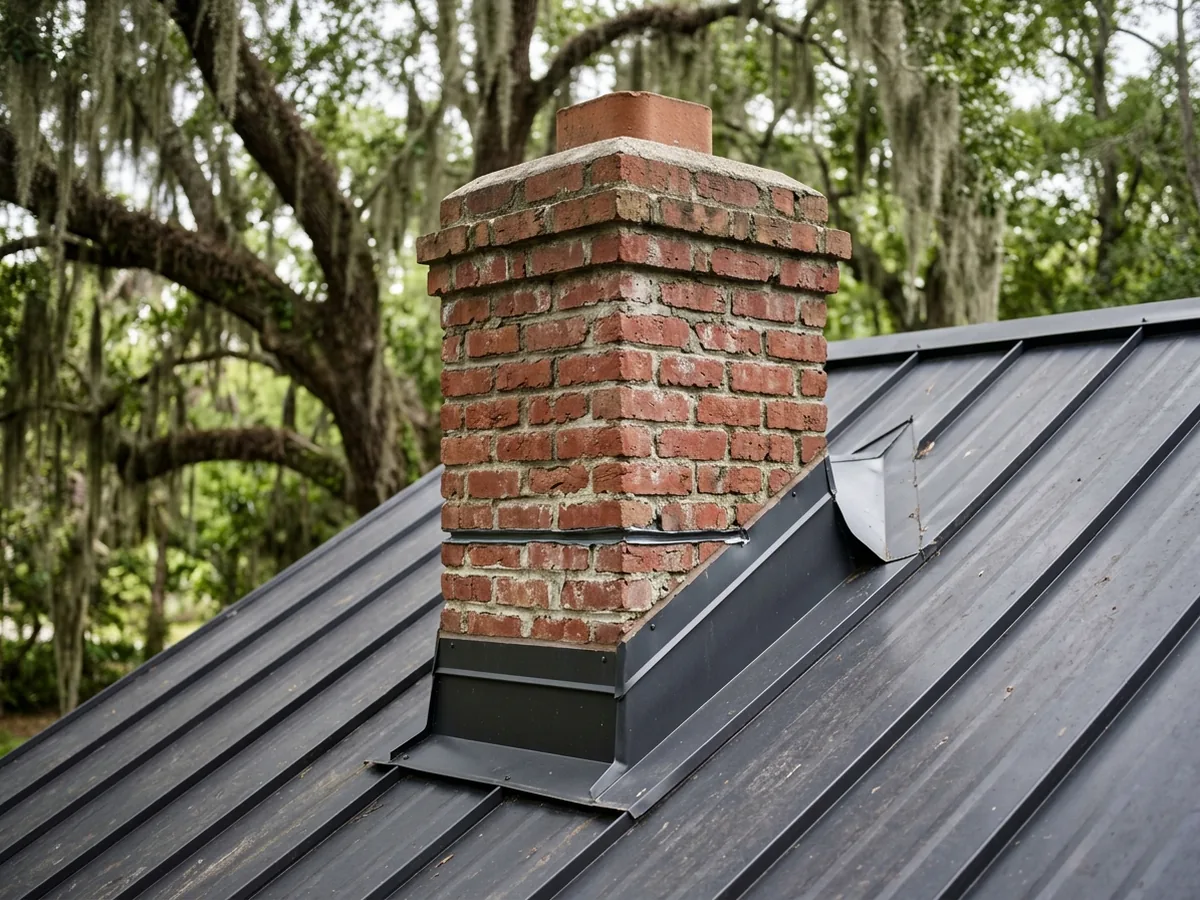
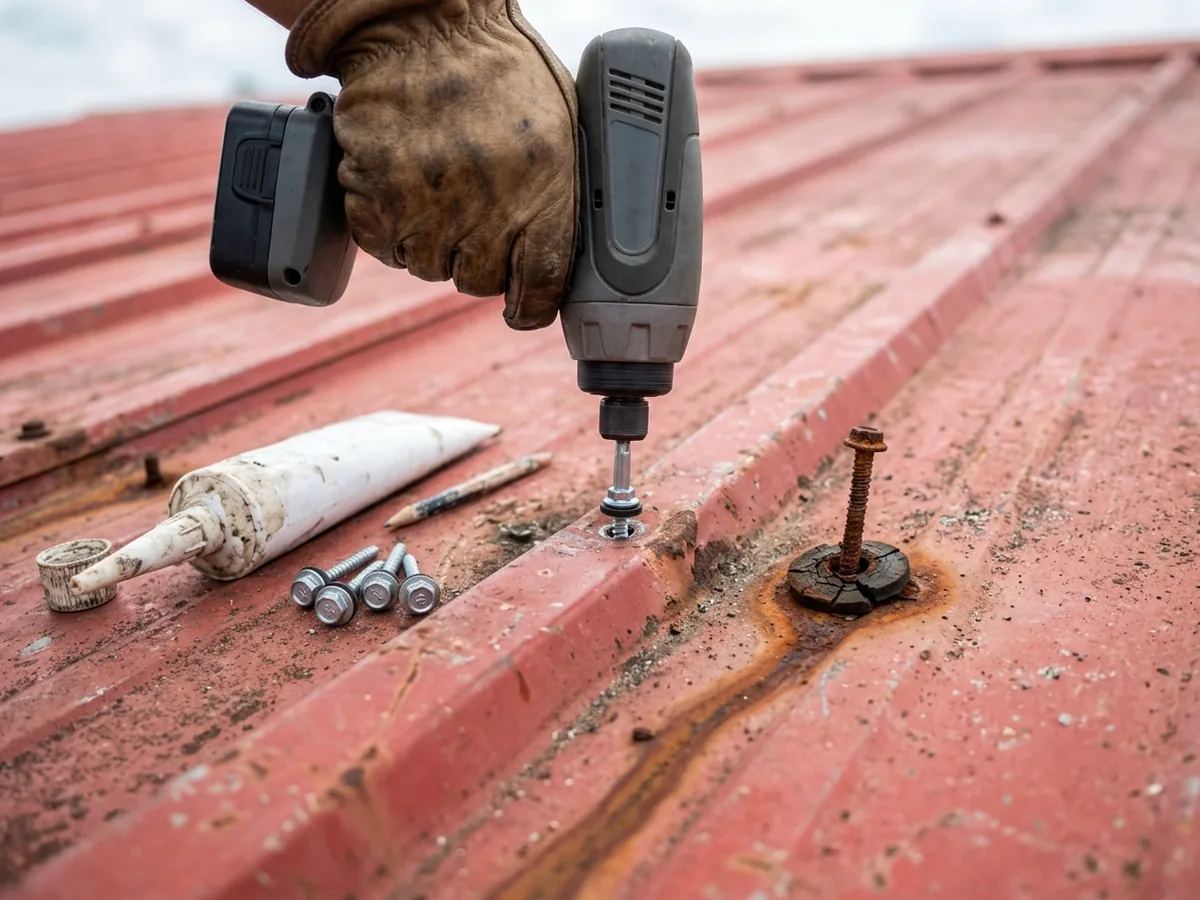
Metal roofs leak in predictable places: screws that have backed out as panels expand and contract in the heat, rubber washers that have cracked, side laps and end laps, flashing at walls, chimneys and vents, and ridge caps lifted by wind. A repair visit finds which one it is. Fixes range from re-screwing with larger gasketed fasteners to resealing laps, re-flashing a chimney or replacing a damaged panel.
Tell us where the water shows up inside and after what kind of weather. Wind-driven rain from the side and slow steady rain point to different places.
Metal Roof Coatings and Repainting
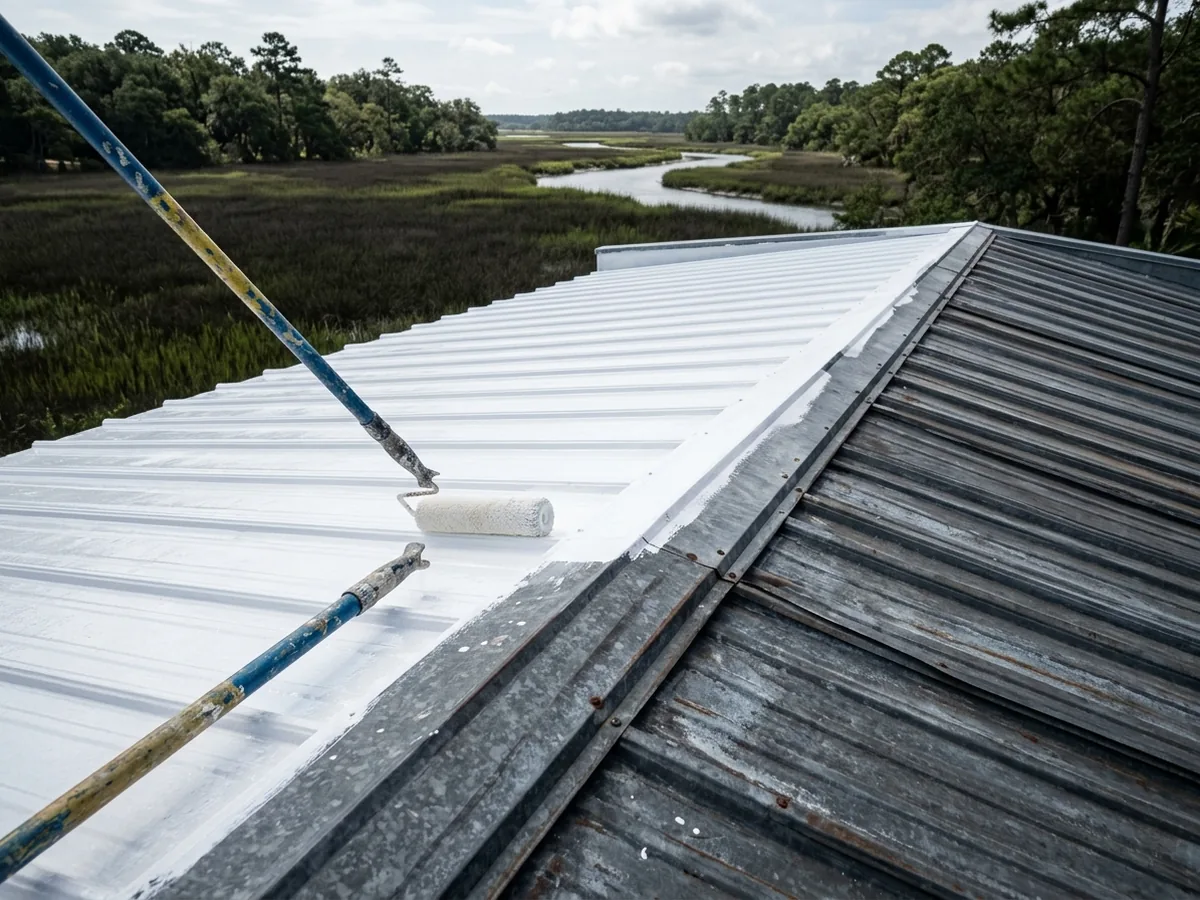
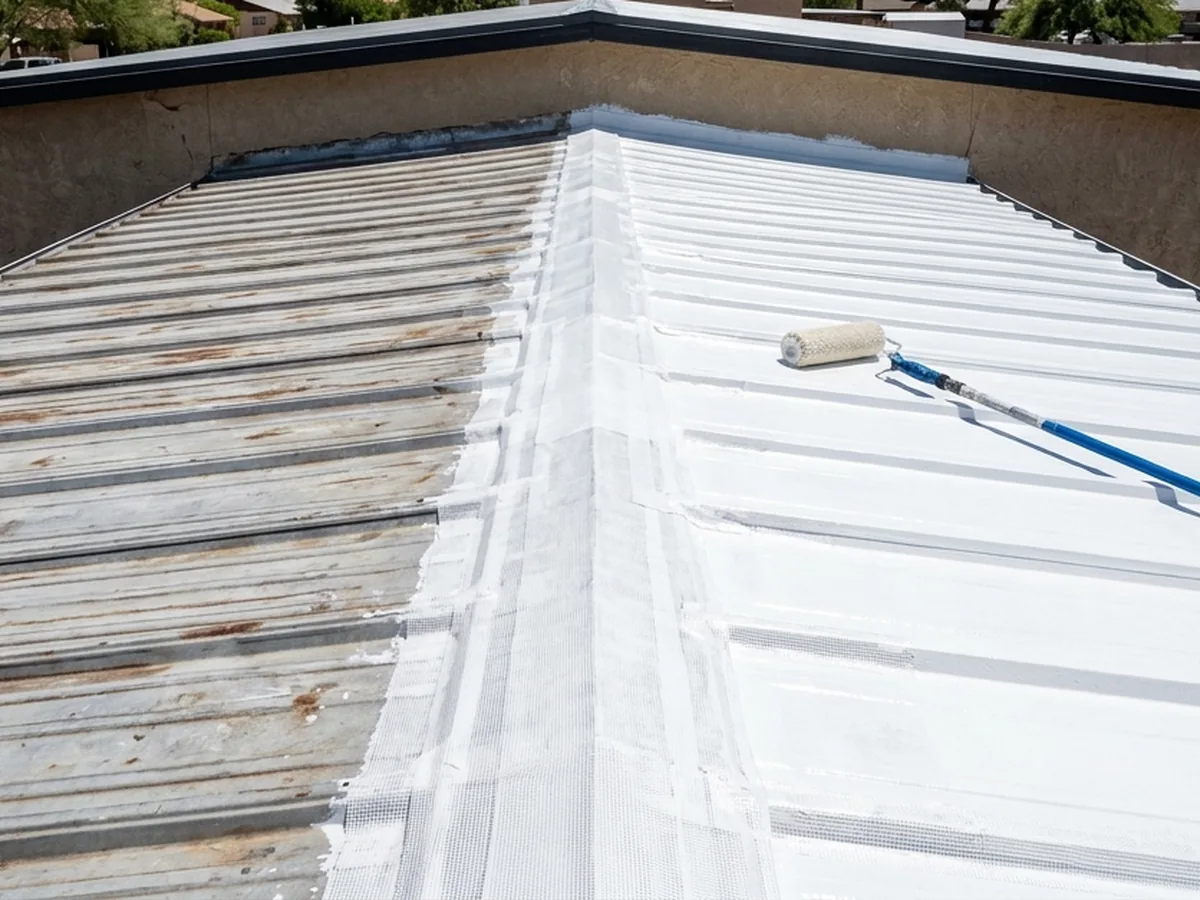
An older metal roof with sound panels but tired paint or surface rust can often be cleaned, primed and coated instead of replaced. Coating systems seal the seams and fasteners with reinforced fabric first, then cover the whole roof. On a terne roof, repainting on a regular cycle is the maintenance itself.
Factory finishes are a separate matter. Kynar 500 finishes must contain at least 70% PVDF resin; ask which finish a new panel carries before you compare prices.
Commercial Metal Roofing by Building Type
Commercial metal roofs in Charleston run from steel buildings in industrial parks to churches with century-old roofs. Owners and property managers send requests for these building types.
Warehouses and Metal Buildings
Pre-engineered metal buildings with screw-down or standing seam roofs: re-screwing, panel replacement, coating systems over sound panels, and full re-roofs.
Restaurants and Retail
Standing seam on mansards, pitched roofs and awnings, often in front of a low-slope membrane roof. Ask for the work to be scheduled around your opening hours.
Churches and Institutional Buildings
Steep roofs, steeples and copper details that need lifts and careful staging. Historic buildings inside BAR districts follow the same review as homes.
Condos, Townhomes and HOAs
Metal re-roofs and repairs across several buildings. Ask for the estimate broken out building by building, so the board can phase the work.
Marinas and Waterfront Buildings
Boathouses, dock buildings and marina offices in direct salt spray, where aluminum panels and stainless fasteners make the most sense.
Specialty Metal Roofing Work
Some of these are jobs of their own. Others ride along with a new roof.
Wind Upgrades and SC Safe Home Roofs
Re-roofs built to the IBHS FORTIFIED Roof standard can qualify for an SC Safe Home grant of up to $7,500. See the cost section below.
See Hurricane Metal Roofs in Charleston, SC and SC Safe Home Roof Upgrades in Charleston, SC.
Storm Damage Inspections
After a hurricane or tropical storm: lifted seams, missing ridge caps, loose trim and dents. Ask for dated photos you can send to your insurer.
See Storm Damage Roof Repair in Charleston, SC and Metal Roof Inspection in Charleston, SC.
Solar on Standing Seam
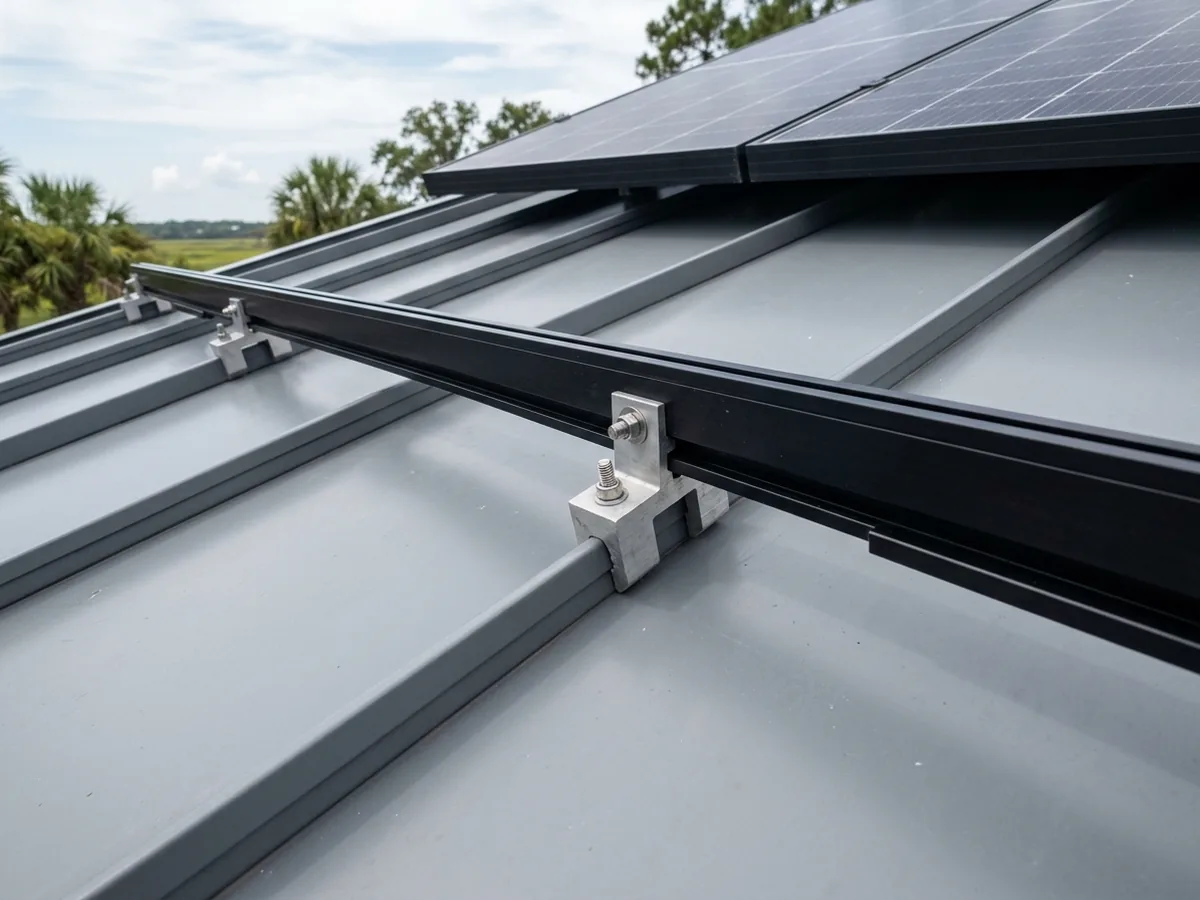
Solar panels can mount to standing seams with clamps, so the racking doesn't need holes through the panels.
Gutters and Downspouts
Seamless aluminum gutters and copper half-round gutters, sized for heavy summer rain.
Flashing, Chimneys and Skylights
Chimney, wall and skylight flashing, rebuilt in a metal that matches the roof so the two don't corrode each other.
Ventilation and Condensation
Ridge vents and underlayment choices that keep moisture from collecting under metal panels in humid weather.
See Metal Roof Insulation and Ventilation in Charleston, SC.
Get a free metal roofing estimate in Charleston
- Estimate at no cost to you
- Metal, seam and fasteners named on paper
- Your request goes to a single local roofer
- Referral is free; you pay only the roofer you hire
Why Charleston Homeowners Call Charleston Metal Roofing Co.
One Request, One Contractor
Your details go to one independent local metal roofing contractor, not a list of companies that all call you at once.
Free for Homeowners
The estimate is free and there's no charge to you for the referral.
The System in Writing
Ask for the panel, the metal and finish, the fasteners, the underlayment and the uplift test in the written estimate, so you can compare quotes line by line.
Questions Before Work Starts
Tell us about BAR districts, permits or an SC Safe Home grant when you call, and the contractor hears about them before the first visit.
Picking the Metal by How Close You Live to Salt Water
Distance from salt water is the first question for a Charleston metal roof, because it decides which metals the manufacturers will warrant.
Ocean, harbor and marsh-front homes
Steel panel warranties often exclude them. One maker's 50-year painted Galvalume warranty excludes homes within 1,500 feet of surf, 800 feet of a bay or 400 feet of a marsh. Aluminum or copper avoids the question.A few blocks back
Painted Galvalume steel may be warranted, but check the distance rules for your address in writing before you choose it.Inland neighborhoods
Painted Galvalume or galvanized steel works well, with at least an AZ50 or G90 coating under the paint.Every location
Match the fasteners and flashing to the panel metal, and ask what grade of stainless the screws are.
A cost guide notes that aluminum is one of the materials most often recommended for coastal homes. It is also more expensive than steel, so the distance question comes before the price question.
What a Metal Roof Costs in Charleston
We haven't found published Charleston prices for metal roofing, so these national figures come from a 2026 cost guide:
Metal roofing overall
$5 to $16 per square foot installed, about $23,800 on average.Standing seam
$9 to $16 per square foot.5V crimp and corrugated
$5 to $12 per square foot.Aluminum
$700 to $1,700 per square (100 square feet).Copper
$1,300 to $3,000 per square.
Roof pitch, tear-off layers, decking repairs, the number of valleys, dormers and chimneys, and the distance from salt water all move the price.
SC Safe Home, run by the South Carolina Department of Insurance, can take a large piece off. A roof that meets both the IBHS FORTIFIED Roof standard and the program's guidelines qualifies for up to $7,500 without matching funds, or $6,000 with matching. Charleston County is one of the eligible counties. The home has to be an insured, owner-occupied primary residence, it needs a wind inspection first (typically $150 to $250), and the work has to be done by a certified contractor within three months. Ask about it before you sign a contract, not after.
Before You Re-Roof in Charleston
The 150 MPH Design Wind Speed
The City of Charleston's design wind speed is 150 mph, and the city lies in a wind-borne debris region. For a metal roof, that comes down to the uplift rating of the whole tested assembly (panel, clips, fasteners and their spacing). The strongest assemblies pass all three UL 580 uplift classes (30, 60 and 90). Clip and screw spacing gets tighter at corners and edges, where the wind pulls hardest.
Permits and Contractor Registration
A City of Charleston re-roof needs a roofing permit and a final inspection, and a metal roof's application includes the manufacturer's specifications. Roofers working on homes register with the South Carolina Residential Builders Commission for jobs over $500, and carry a $5,000 surety bond for jobs over $5,000.
Historic Districts and the BAR
Charleston created the first historic district zoning in the country in 1931, and the Board of Architectural Review grew out of it. Inside its districts, roofing policy says repair first, replace in kind, and hand-crimp standing seam; snap-lock and commercial-grade metal roofs aren't approved. Staff can approve uncoated copper in place of terne, except on the highest-rated (Category 1 and 2) buildings.
Timing Around Hurricane Season
Hurricane season lasts June 1 to November 30, with the peak near September 10. June through September also brings about half of Charleston's 52.5 inches of yearly rain. A roof that is torn off in August needs to be dried in the same day. Seventeen tropical cyclones made landfall in Charleston County between 1851 and 2018. Hurricane Hugo came ashore at Sullivan's Island in September 1989 as a Category 4 storm and damaged most buildings downtown.
How a Request Moves From Call to Finished Roof
STEP 01
Call or Send the Form
Tell us the address, the roof you have now, what you want and when you need it.
STEP 02
Roof Visit and Measurements
A good contractor measures the roof, checks the decking, flashing and attic from inside, and notes how far the house is from salt water.
STEP 03
A Written Estimate
Ask for the panel profile, metal and finish, fasteners, underlayment, uplift rating, tear-off, permit and price on paper.
STEP 04
Permit, BAR and Grant Paperwork
The roofing permit goes in with the manufacturer's specifications. BAR review and SC Safe Home paperwork come before any tear-off, where they apply.
STEP 05
Install and Final Inspection
Tear-off, dry-in, panels and trim, then the city's final inspection. Keep the paperwork for your insurer and the next buyer.
Charleston Neighborhoods We Take Requests From
Requests come from across the City of Charleston, home to about 159,000 people: the peninsula from South of Broad and Harleston Village up through Ansonborough, Cannonborough, Elliottborough and Wagener Terrace; West Ashley; the city's parts of James Island and Johns Island; Daniel Island; and Cainhoy. The housing stock spans every era. About 9% of the city's homes were built in 1939 or earlier, a third before 1980, and the median home dates from 1996, so a request can be anything from re-soldering a terne roof on the peninsula to a new standing seam roof in West Ashley.